
The Origin of Dim Sum
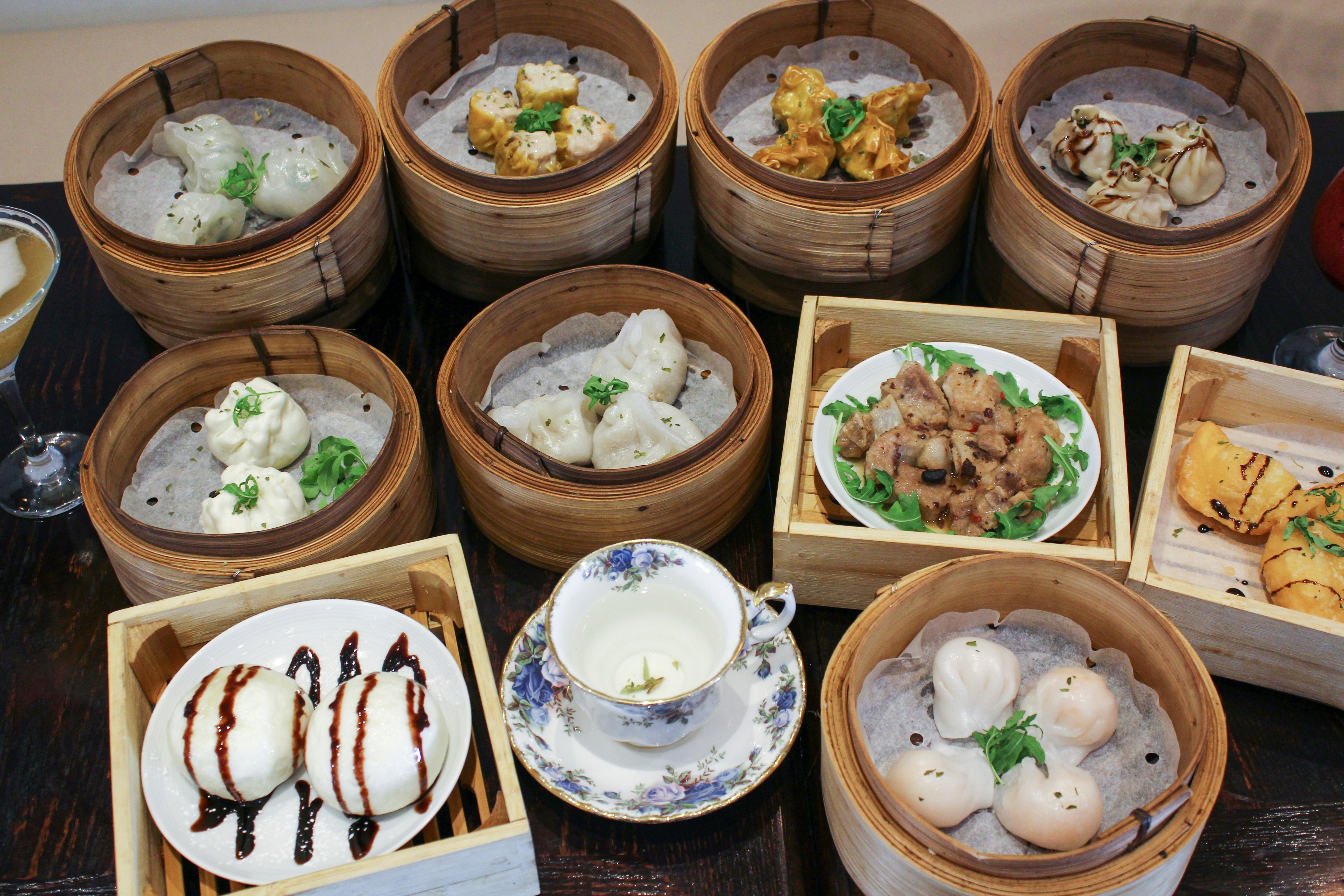
The history of dim sum can be traced back to the bustling teahouses that emerged along the ancient Silk Road. This vast network of trade routes not only facilitated commerce but also cultural exchanges and culinary innovations. Travelers, weary from long journeys, sought rest and sustenance in these teahouses, where the tradition of “yum cha,” or tea tasting, flourished. It is within this context that the roots of dim sum began to take form, marking an essential development in Chinese gastronomy.
Initially, the small dishes served in these establishments were designed to complement the drinking of tea, with a variety of flavors and textures enhancing the overall experience. The term “dim sum” itself translates to “touch the heart,” signifying small plates meant to satiate without overwhelming the palate. As trade flourished and the demands of travelers increased, the variety of offerings expanded. Dumplings, buns, and pastries soon became staples on the menu, reflecting the diverse ingredients and culinary practices encountered along the Silk Road.
The evolution of these dishes did not occur in isolation; they were influenced by the various cultures that traders encountered. As the Silk Road connected not just China with its neighbors but also Europe and beyond, ingredients and cooking methods were shared and adapted. Consequently, the dim sum we enjoy today is a blend of this rich history, characterized by small portions that allow for a communal dining experience. The teahouses evolved into vibrant social hubs, where friends and family gathered to savor these delightful morsels, promoting a sense of community and shared enjoyment.
Ultimately, the journey of dim sum reflects a significant culinary heritage, rooted in the Silk Road’s teahouses, where flavors melded and traditions began to flourish. This rich history continues to inform the ways in which dim sum is prepared and enjoyed in contemporary settings, celebrating its legacy as much more than mere sustenance but as a symbol of cultural exchange and hospitality.
Understanding Yum Cha Culture
Yum Cha, which translates to “drink tea” in Cantonese, is a cultural practice that originated in teahouses along the Silk Road. It is an integral component of the dim sum dining experience, encapsulating more than just the act of enjoying tea; it embodies a rich tradition steeped in hospitality and community. Yum cha serves as a social gathering, where friends and family come together to share small bites and an array of delectable teas. This practice encourages leisurely conversation and fostering connections, often transforming a simple meal into a cherished memory.
The act of yum cha traditionally involves sipping tea while enjoying a selection of dim sum dishes. Various teas, such as oolong, jasmine, and pu-erh, complement the array of small plates, which range from dumplings and buns to rolls and pastries. The selection varies by region and reflects local culinary traditions, enriching the experience as diners sample different flavors and textures. The teas not only enhance the meal but also accompany the social atmosphere that is essential to the yum cha experience.
Culturally, yum cha has become synonymous with celebration and togetherness. It is often practiced during family gatherings, special occasions, or simply as a way to relax and socialize with friends. The inviting ambiance of the teahouse serves as a backdrop for laughter and storytelling, embodying the essence of community. In contemporary society, the practice has evolved, yet it remains a ritual that fosters a sense of belonging and appreciation for culinary art. The underlying message of yum cha is one of unity, reinforcing the notion that sharing food, particularly dim sum, enhances relationships and uplifts the spirit.
The Ingredients Behind Dim Sum
Dim sum is synonymous with a delectable assortment of small bites served across a variety of styles and flavors. Its global appeal largely stems from the meticulous selection of ingredients, each contributing to the dish’s unique taste and texture. One of the key elements in dim sum preparation is the choice of fillings, which can include anything from seasoned meats to seafood and an array of vegetables. Common fillings might feature ground pork, shrimp, and chives, each seasoned with soy sauce, sesame oil, and ginger to enhance their natural flavors.
Equally important are the doughs used in dim sum, particularly in the creation of dumplings and buns. The art of dim sum relies heavily on the use of wheat starch, a crucial component that allows for the crafting of translucent wrappers. This ingredient not only offers a pleasing visual appeal but also complements the delicate fillings contained within. Wheat starch provides the necessary elasticity, ensuring the wrappers are thin yet sturdy enough to hold their contents during steaming or frying.
Additionally, rice flour is frequently employed in various dessert dumplings, showcasing the versatility of ingredients within dim sum cuisine. This flour can be used to create soft, chewy wrappers that contrast beautifully with sweet fillings such as red bean paste or coconut cream. Beyond the traditional sources, modern dim sum chefs often explore local and organic ingredients, reflecting broader trends in culinary sustainability and farm-to-table movements.
In line with these evolving practices, some chefs even venture beyond conventional ingredients, incorporating fusion elements that resonate with contemporary palates. From sourcing shrimp from sustainable fisheries to including seasonal vegetables, the meticulous preparation of dim sum continues to be an evolving culinary journey, deeply rooted in tradition yet open to innovation. It is this commitment to quality and creativity that ensures the continued popularity of dim sum on dining tables around the world.
The Art of Wrapping: Translucent Wrappers
Dim sum, a beloved culinary tradition, showcases a delightful array of small steamed dishes, often characterized by their intricate and skillfully made wrappers. At the heart of achieving the ideal texture for these wrappers is wheat starch, a key ingredient that serves as the foundation for many types of dim sum. The delicate balance between tenderness and structure is crucial, as it allows for both the filling’s flavors to shine through and the overall presentation of the dish to be aesthetically pleasing.
The process of creating dim sum wrappers involves several meticulous steps. Initially, the wheat starch is combined with water to create a dough. This combination is then kneaded until it reaches the desired consistency, allowing the gluten to develop. The elasticity of gluten is essential, as it aids in creating a wrapper that is both supple and resilient. Chefs often employ varying techniques to ensure that the dough is thin yet robust enough to hold various fillings, from savory meats to fresh seafood and vegetables.
Once the dough is prepared, cutting and shaping the wrappers becomes a critical phase. Many chefs prefer to roll the dough into thin sheets before cutting it into rounds. This method not only ensures uniformity in size but also allows for greater control over the thickness of each wrapper. When wrapping the filling, precision is paramount. Chefs skillfully fold and pleat the wrappers, sealing the edges tightly to prevent any leakage during cooking. This process demands not only technical expertise but also a deep understanding of how the wrappers will interact with steam, as the goal is to produce a light, translucent appearance while maintaining structural integrity.
The artistry involved in making and wrapping dim sum is an essential part of its culinary legacy. As chefs hone their skills, they contribute to the rich tapestry of tastes and textures that characterize this exquisite dining experience, drawing on techniques that have been passed down through generations.
Popular Types of Dim Sum
Dim sum, an integral aspect of Chinese cuisine, offers a diversified collection of savory and sweet dishes that are traditionally served in small portions. Among the most celebrated variations are steamed dumplings and buns, which have become household favorites both in their country of origin and globally. Each type of dim sum provides a unique culinary experience, reflecting the rich cultural heritage of the Silk Road.
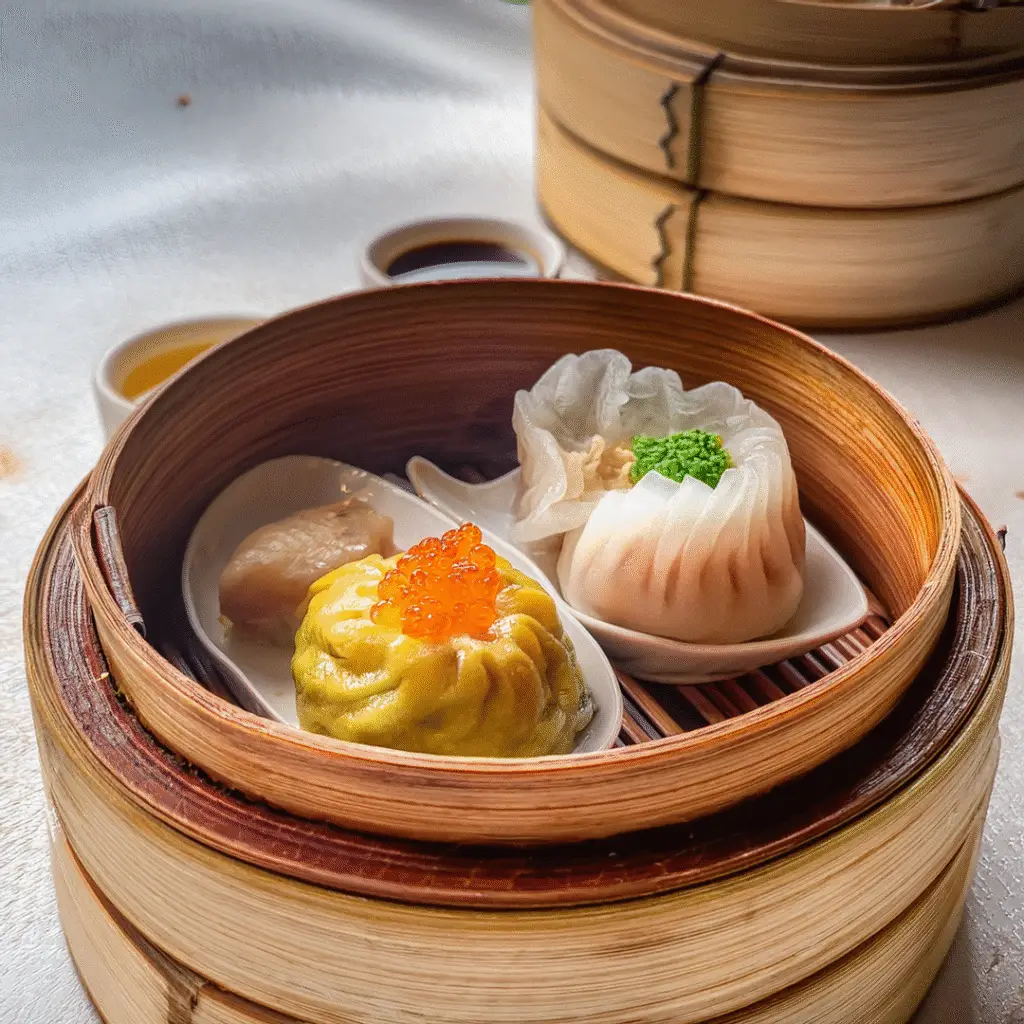
One of the most iconic dim sum dishes is har gow, a delicately crafted shrimp dumpling notable for its translucent skin, which is made from a mixture of wheat and tapioca starch. The dumpling is typically filled with finely chopped shrimp, seasoned to perfection, delivering a subtle sweetness complemented by a hint of ginger. This dish exemplifies the finesse of Cantonese cuisine and is a must-try for any dim sum enthusiast.
Another popular offering is siu mai, a type of pork dumpling that has gained prominence for its flavorful filling of minced pork, shiitake mushrooms, and sometimes fresh shrimp. Typically topped with a sprinkling of green onions or a piece of carrot, siu mai is recognized for its open-top presentation, which showcases the vibrant filling. The combination of textures and flavors in this dish makes it a perennial favorite in dim sum restaurants.
Char siu bao, or barbecue pork buns, stand out with their fluffy, steamed exterior that encases a savory filling of marinated char siu pork. The sweetness of the pork, combined with the soft texture of the bun, creates a delightful contrast that appeals to many palates. These buns are often enjoyed as a comforting snack or as part of a larger dim sum meal.
Beyond these popular options, dim sum encompasses a variety of other offerings, including rice rolls, dumplings filled with vegetables, and sweet treats like egg tarts. Each dish reflects the culinary legacy associated with dim sum, making it an essential component of any traditional Chinese dining experience.
Cultural Significance of Dim Sum
Dim sum, with its rich history and diverse offerings, embodies a culinary practice deeply rooted in Chinese culture. Originating from the teahouses along the Silk Road, dim sum has evolved into a symbolic representation of communal dining, emphasizing the importance of sharing food as a vital aspect of social interactions. It transcends being merely a meal; dim sum encapsulates the essence of hospitality and togetherness, reflecting the values inherent to Chinese society.
Central to the experience of dim sum is the practice of gathering with family and friends. Traditionally served in small portions, each dish invites participants to savor diverse flavors and textures while fostering connections among diners. This mode of dining encourages conversation and camaraderie, as guests share various dishes, allowing for a collective appreciation of the culinary artistry involved. Notably, the practice signifies respect for one another, as sharing food signifies warmth and goodwill.
Furthermore, dim sum plays a crucial role in various celebrations and milestones within the Chinese community. Special occasions such as weddings, birthdays, and festivals often feature dim sum as a staple, symbolizing prosperity, health, and unity. As generations pass down recipes and traditions, the enjoyment of dim sum becomes a meaningful connection to the past and a way to honor family heritage. It is not only a culinary experience but a celebration of community and shared memories, reinforcing bonds that unite individuals across time.
Overall, dim sum serves as a cultural cornerstone that strengthens social ties within families and communities. Its significance extends beyond the table, highlighting the universal human values of sharing, love, and togetherness—elements that resonate in societies around the world. As dim sum continues to flourish, its cultural importance remains evident, ensuring that future generations partake in this cherished tradition.
Modern Interpretations and Trends
In recent years, dim sum has transformed from its traditional roots into a contemporary culinary phenomenon, captivating palates worldwide. Chefs across various cultures are exploring innovative dimensions of this cherished cuisine, merging classic techniques with modern interpretations. This evolution reflects the adaptability of dim sum, as it embraces an array of ingredients and flavors that resonate with global culinary trends.
The infusion of local ingredients has birthed exciting variations of traditional dim sum dishes. For instance, some restaurants are incorporating seasonal vegetables and artisanal meats, crafting dumplings that speak to regional tastes while maintaining the essence of dim sum. Ingredients like truffle oil, foie gras, and even vegan substitutes are emerging, creating a bridge between authenticity and modern gastronomy. Such adaptations not only enhance the flavor profile but also cater to the increasingly diverse dietary preferences of diners today.
Moreover, the rise of fusion cuisine has led to unique takes on classic dim sum dishes. Chefs are experimenting with cross-cultural combinations, such as taco-inspired dumplings, sushi rolls infused with dim sum flavors, and even Mediterranean-style buns. This creativity provides diners with an opportunity to experience dim sum in ways they might not have previously envisioned, exemplifying how culinary boundaries continue to blur.
Despite these modern interpretations, many establishments still place a strong emphasis on the traditional dim sum experience, often offering time-honored recipes alongside their innovative counterparts. Har gow, siu mai, and char siu buns remain staples, served with the same reverence and care passed down through generations. By striking a balance between innovation and tradition, dim sum not only preserves its culinary legacy but also remains relevant in an ever-changing gastronomic landscape.
Where to Enjoy Dim Sum Today
Dim sum has transcended its origins and has become a global phenomenon, captivating food enthusiasts far beyond the boundaries of China. For those seeking authentic dim sum experiences today, a variety of options exist, ranging from traditional teahouses to modern eateries that creatively reinterpret this cherished culinary art.
One of the prime locations to sample dim sum is in Chinatown districts located in major cities around the world. Notable restaurants such as Jasmine Restaurant in Los Angeles, Dim Tai Fung in Taipei, and Yauatcha in London epitomize classic dim sum offerings. These establishments not only focus on traditional recipes but also maintain a bustling atmosphere akin to the teahouses of the Silk Road.
In cities like San Francisco and New York, food markets such as Chinatown Market and Chelsea Market host vendors specializing in dim sum. These markets provide a casual setting for diners to experience an array of bite-sized delights, making it easy to enjoy traditional favorites alongside innovative dishes. Visitors can discover steamed dumplings, buns, and rolls, often paired with dim sum carts that allow for the selection of the day’s freshest items.
Furthermore, pop-up events have become increasingly popular, where chefs experiment with dim sum-inspired dishes. These temporary restaurants highlight creativity and fusion, delivering experiences that blend various cultural influences while remaining rooted in dim sum tradition. Platforms such as Eventbrite and Facebook Events often list these special culinary events, inviting food lovers to immerse themselves in unique dining experiences.
Regardless of whether diners prefer a classic dim sum restaurant or an innovative pop-up, the spectrum of options available today ensures that everyone can enjoy the authentic flavors and communal spirit that dim sum represents.
Conclusion: The Enduring Charm of Dim Sum
Dim sum, a culinary tradition with roots stretching back to the bustling teahouses along the ancient Silk Road, continues to captivate food lovers around the globe. It has evolved over the centuries, transforming from simple snacks served to travelers into an intricate dining experience that reflects rich cultural heritage and communal values. Originating as a means of enhancing hospitality, dim sum remains a touchstone of Chinese culinary art that conveys warmth and generosity through its diverse range of offerings.
The allure of dim sum lies not only in its variety but also in the experiences it fosters. From the traditional bamboo steamers to the vibrant dining atmosphere associated with tea houses, every aspect of the dim sum experience carries a sense of history and storytelling. As these culinary creations are showcased through meticulous presentation, patrons are invited to explore an array of flavors and textures, each bite narrating a piece of the journey that dim sum has undertaken through Time.
In contemporary dining, dim sum is more than just a meal; it represents an evolving tradition that adapts to modern palates while still embracing its core values. Innovative chefs integrate new ingredients and creative cooking techniques, expanding the traditional repertoire without compromising the essence of this time-honored cuisine. Ultimately, dim sum symbolizes a connection to culture and community, highlighting the importance of shared meals among family and friends.
As we reflect on the enduring charm of dim sum, it is clear that this remarkable culinary legacy will continue to thrive and adapt. With each generation that partakes in this delightful tradition, the spirit of dim sum will remain a beloved touch of the heart, uniting people in appreciation of good food and meaningful experiences.