
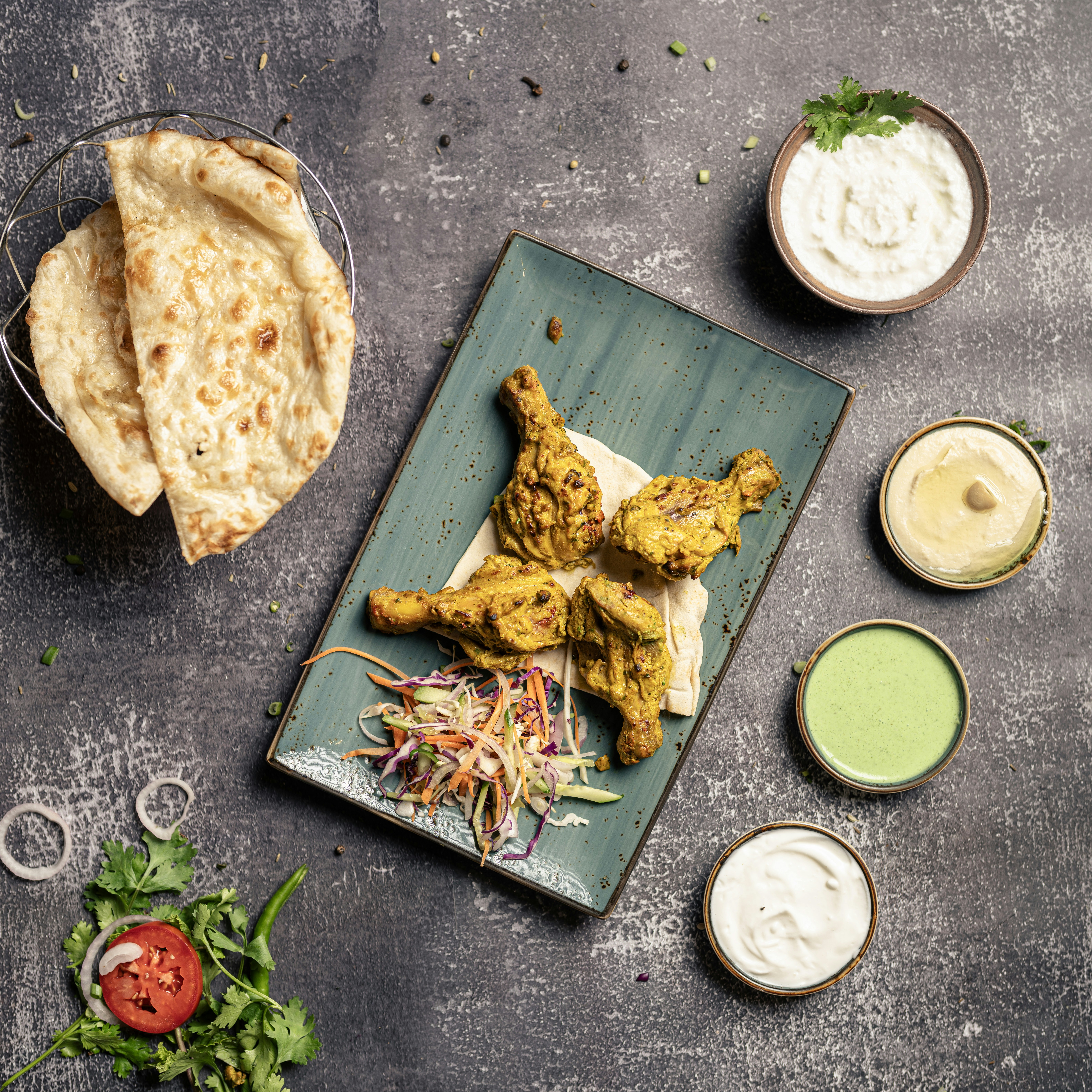
The Historical Context of Butter Chicken
The history of butter chicken cannot be divorced from the profound turmoil and displacement experienced during India’s partition in 1947. This seismic event resulted in the division of British India into two independent states—India and Pakistan—forcing millions of people to leave their homes, leading to widespread suffering and upheaval. Amidst this chaos, food emerged not only as a means of survival but also as a profound connector of cultural identity and heritage.
The complex socio-political landscape during this period prompted a fusion of culinary traditions that had been previously distinct. Migrants from what became Pakistan brought with them their own regional flavors, particularly from Punjab, where dishes were heavily influenced by tandoori cooking techniques. This blending of flavors and methods laid the groundwork for the creation of butter chicken, known in Hindi as ‘murgh makhani,’ in the Moti Mahal restaurant in Delhi in the 1950s. The restaurant’s chefs adapted leftover chicken from the tandoor, simmering it in a rich tomato-based sauce finished with butter and cream, producing a dish that encapsulated both comfort and resilience.
Furthermore, during this tumultuous time, food became a significant part of an individual’s identity. For many communities, it served as a reminder of their past and a way to integrate new cultural influences into their culinary repertoire. The emergence of butter chicken symbolizes not only a specific culinary development but reflects broader themes of adaptation and survival in the face of adversity. As families sought to rebuild their lives, the flavors of home began to intertwine with the new realities of a divided nation, allowing food to play an essential role in the evolving narrative of Indian identity.
The Accidental Creation of Butter Chicken
The story of butter chicken, or murgh makhani, represents a delightful serendipity that emerged from the socio-cultural milieu of post-independence India. The dish’s genesis can be traced back to the 1950s within the vibrant culinary atmosphere of New Delhi, particularly linked to the iconic Moti Mahal restaurant. This establishment became the breeding ground for innovation, borne out of necessity and creativity.
The creator of this remarkable dish, Chef Kundan Lal Gujral, was a refugee who had migrated from the western regions of India, areas significantly affected during the partition. Faced with the challenges of creating diverse dishes for his patrons, Chef Gujral was inspired to repurpose leftover chicken, which was often dry and unappealing. To rejuvenate this neglected ingredient, he introduced a rich, velvety tomato-based gravy, combining it with butter and cream, which imparted both moisture and flavor.
This harmonious melding of ingredients not only salvaged the chicken but also created a culinary masterpiece that resonated with the flavors of North India. The infusion of spices and the creamy texture captivated diners’ palates, transforming what began as a necessity into a national treasure. The simplicity of the recipe, along with its indulgent character, allowed butter chicken to evolve, captivating not only the local clientele but also garnering international acclaim.
The accidental creation of butter chicken exemplifies how necessity can drive culinary innovation. As it spread beyond the confines of Moti Mahal into homes and restaurants across India and worldwide, butter chicken became an emblem of the resilience of Indian cuisine. Its rich history intertwined with the experiences of displacement and adaptation reflects the dynamic nature of food, emphasizing that great culinary innovations often emerge from unexpected circumstances.
Understanding the Key Ingredients
Butter chicken, also known as murgh makhani, is renowned for its rich, creamy sauce that tantalizes the palate. At the heart of this dish are two essential ingredients that play a pivotal role in defining its unique flavor profile: garam masala and tomatoes. Each contributes significantly to the complexity and depth of the flavors found in this beloved Indian dish.
Garam masala, a quintessential Indian spice blend, is composed of a variety of spices including cardamom, cloves, cinnamon, cumin, and coriander. These spices are meticulously selected and balanced to create a warm, aromatic blend that brings warmth and depth to butter chicken. The use of garam masala not only imparts a distinctive taste but also embodies the essence of Indian culinary tradition. Its complexity allows it to complement the other ingredients, creating a harmonious flavor experience.
Tomatoes are equally vital in the preparation of butter chicken. They provide the base for the luxurious sauce, lending acidity and sweetness that balance the richness of cream and butter. Furthermore, tomatoes undergo a cooking process that intensifies their flavors, enriching the sauce’s overall taste. The combination of fresh tomatoes and possibly canned tomato products ensures a robust flavor profile while also contributing to the sauce’s characteristic velvety texture. This melding of ingredients results in a dish that embodies both tradition and innovation within Indian cuisine.
The balance achieved through the use of garam masala and tomatoes is a testament to the intricate craftsmanship involved in cooking butter chicken. It highlights the importance of ingredient selection and preparation techniques that are pivotal in Indian cooking, ultimately creating a dish that is not only flavorful but also deeply connected to the cultural narratives of India.
The Creamy Flavor Profile of Butter Chicken
Butter chicken, known for its indulgent and creamy texture, is a culinary delight that has captivated palates across the globe. This iconic dish is characterized by its rich sauce, which is primarily achieved through the judicious use of cream and butter. The incorporation of these ingredients results in a velvety smooth consistency that envelops the tender pieces of chicken. The cream acts as a soothing element, balancing the robust flavors of the spices and providing a luxurious mouthfeel that enhances the overall dining experience.
One of the remarkable aspects of butter chicken is the harmonious interplay of its spices. Traditional recipes often employ an array of spices such as garam masala, cumin, and coriander, each contributing distinct notes to the dish. The use of these spices, alongside the creamy base, creates a flavor profile that is both complex and comforting. The spices infuse the sauce with warmth while the creaminess tempers any sharpness, resulting in a well-rounded flavor that is appealing to a wide audience.
Additionally, the preparation of butter chicken allows for a myriad of variations. Some recipes may introduce elements like fenugreek or cardamom, further enhancing the dish’s aromatic qualities. The interplay of sweet, savory, and slightly tangy components culminates in a signature taste that is both familiar and exotic. Such versatility makes butter chicken a perfect accompaniment to various sides, including naan and rice, further enriching the culinary experience.
In essence, the creamy flavor profile of butter chicken is achieved through a careful balance of rich ingredients and vibrant spices. This seamless integration not only defines the dish but also elevates it, making it a standout item in Indian cuisine that continues to resonate with food lovers worldwide.
Cultural Significance of Butter Chicken Today
Butter chicken, originating from the Indian subcontinent, has grown from its humble beginnings into a global culinary phenomenon. Initially created in the mid-20th century, this dish has developed into a symbol of Indian cuisine, now recognized and celebrated worldwide. The transformation of butter chicken from a regional recipe to an international favorite showcases not only the adaptability of Indian flavors but also the global appetite for diverse culinary experiences.
As Indian restaurants proliferate across the globe, butter chicken remains a staple on menus, often introduced as a must-try dish for newcomers to Indian gastronomy. Its rich, creamy texture and aromatic spices appeal to a broad audience, allowing it to penetrate various cultural contexts. The dish’s popularity has brought about various interpretations, with chefs incorporating local ingredients and styles while preserving the essential character of the original recipe. This versatility is a testament to the dish’s cultural significance and its ability to resonate with diverse palates.
Furthermore, butter chicken evokes a sense of cultural pride among Indian communities, both in India and in the diaspora. The dish often serves as a gateway for individuals to connect with their heritage and share their culinary traditions with others. Celebratory meals or gatherings frequently feature butter chicken, solidifying its role as a dish that embodies togetherness and familial bonds. This sense of community extends beyond cultural boundaries as those unfamiliar with Indian cuisine find comfort and enjoyment in this iconic dish.
In popular culture, butter chicken has influenced various food trends and inspired numerous culinary events and festivals, further establishing its place in the global gastronomic landscape. Its journey from local kitchens to winning international accolades highlights the influential power of food in fostering cultural exchange and understanding. The enduring legacy of butter chicken illustrates how gastronomic creations can transcend their origins and become significant symbols of identity and unity across the world.
Modern Twists on Traditional Butter Chicken
Butter chicken, originally known as “murgh makhani,” has evolved significantly since its inception. Modern culinary artists have reimagined this classic dish, introducing innovative versions that cater to a diverse range of dietary preferences and integrate global influences. One notable variation is vegan butter chicken, which replaces traditional ingredients with plant-based alternatives. This adaptation not only retains the rich, creamy texture associated with the original dish, but it also makes it accessible to those who adhere to vegetarian or vegan diets. Ingredients like cashew cream, coconut milk, and tofu or chickpeas create similar flavor profiles while ensuring that the dish is kind to the environment and animal welfare.
Another exciting trend in butter chicken is the incorporation of fusion cuisine elements. Culinary enthusiasts have experimented with blending flavors from different cultures to create unique dishes. For example, butter chicken tacos have gained popularity, merging Indian flavors with Mexican street food. In this iteration, tender pieces of grilled chicken, cooked in a spiced buttery sauce, are wrapped in soft tortillas and topped with fresh cilantro, onions, and a zesty slaw. This fusion highlights the versatility of butter chicken while appealing to a modern palate.
Additionally, some chefs have begun to incorporate unexpected ingredients, such as aromatic spices and local produce, resulting in variations that reflect regional cuisines. This approach not only honors the traditional essence of butter chicken but also allows for creativity and personal expression in the kitchen. From butter chicken pizzas to butter chicken poutine, the adaptability of this beloved dish has made it a canvas for contemporary interpretations.
As butter chicken continues to transcend cultural boundaries, it remains a testament to the culinary marriage of tradition and innovation. These modern twists not only celebrate the dish’s origins but also broaden its appeal, inviting new generations to enjoy an age-old favorite in a way that resonates with current dining preferences.
How to Cook Butter Chicken at Home
Preparing butter chicken at home is an enjoyable culinary adventure that can yield delicious results. To begin, you will need to gather the essential ingredients for authentic butter chicken. The primary components include chicken, preferably boneless and skinless, yogurt, butter, tomatoes, and a blend of spices such as garam masala, cumin, and coriander. Additionally, garlic, ginger, and cream will contribute to the richness of this dish.
Start by marinating the chicken. Combine yogurt, lemon juice, and spices in a bowl and coat the chicken thoroughly. Let it marinate for at least an hour, or overnight for more profound flavor. This step is crucial as it tenderizes the meat and infuses it with spices. Meanwhile, prepare the sauce by melting butter in a pan, adding finely chopped onions, garlic, and ginger. Sauté until golden brown and aromatic.
Add the pureed tomatoes to the pan and cook until the mixture thickens, allowing the flavors to meld. Incorporate spices such as garam masala, turmeric, and chili powder—this combination of spices is what gives butter chicken its signature taste. Once the sauce reaches the desired consistency, introduce the marinated chicken, ensuring every piece is coated with the flavorful mixture. Cook on medium heat until the chicken is tender and fully cooked through.
Finish the dish by stirring in heavy cream, which adds the luxurious creaminess that butter chicken is known for. Adjust seasoning with salt, and feel free to add a bit of sugar to balance the acidity of the tomatoes. Serve this indulgent dish with naan, rice, or a side of your choice. This outlined method not only aims for authentic flavor but also provides a rewarding experience as you recreate this beloved recipe in your kitchen. Experimentation may lead you to discover the perfect balance for your palate.
The Impact of Globalization on Indian Cuisine
Globalization has extensively reshaped culinary practices worldwide, and Indian cuisine is no exception. With the advent of global exchanges in the past few decades, traditional Indian dishes have been influenced by international dining trends, resulting in both enrichment and adaptation. Butter chicken serves as an illustrative case study to understand this phenomenon and its broader implications on Indian culinary practices.
Historically, butter chicken, which originated from the Punjabi region, combines diverse flavors and influences, embodying the spirit of fusion that globalization promotes. As Indian restaurants proliferated across the globe, particularly in Western countries, the dish underwent modifications to cater to local palates. Ingredients and preparation methods were adapted, leading to variations that, while still recognizable, offer a unique twist on the original flavors. This has, in essence, allowed butter chicken to transcend its geographical roots and emerge as a global favorite.
Additionally, the proliferation of technology and social media has fostered an environment where culinary experiences can be shared and celebrated worldwide. This exposure has sparked interest in traditional Indian cuisine among non-Indian communities, leading to a growing appreciation for dishes like butter chicken. Recipes circulate rapidly online, promoting engagement and encouraging amateur cooks to experiment with Indian flavors in their own kitchens. Consequently, globalization encourages a two-way exchange, wherein traditional dishes are not only shared but also evolve through experimentation and adaptation by diverse cultures.
However, the globalization of Indian cuisine raises critical questions regarding authenticity and preservation. As butter chicken and similar dishes gain international popularity, the challenge lies in retaining the essence of traditional cooking while embracing new influences. In this dynamic culinary landscape, the balance between innovation and tradition remains a key consideration for both chefs and home cooks alike.
Conclusion: The Legacy of Butter Chicken
Butter chicken, also known as murgh makhani, embodies a rich legacy that transcends its origins to represent the resilience and adaptability of Indian cuisine. This dish has its roots in the tumultuous period surrounding India’s partition in 1947, when socio-political upheaval forced many individuals to flee their homes and seek refuge in different regions. In such an environment, culinary traditions evolved and adapted; butter chicken emerged as a testament to this transformation. The blend of marinated chicken in a creamy, spiced tomato sauce reflects both the scarcity faced by many during this period and the innovative spirit of those who sought solace in cooking.
Over the decades, butter chicken has transcended regional boundaries, becoming a staple not only in Indian homes but also within global cuisine. Its remarkable journey from a humble, comfort food to a gourmet favorite highlights the intricate relationship between food and cultural identity. The dish’s unique flavor profile, which marries aromatic spices with a rich, buttery texture, has captivated the palates of many, effectively introducing them to the complexities of Indian culinary practices.
Furthermore, butter chicken serves as a reminder of the resilience of communities affected by partition. It illustrates how culinary traditions can evolve from adversity, fostering a sense of belonging amidst dislocation. Today, it stands as a symbol of unity in diversity, bridging cultural divides and sparking conversations around heritage and identity. The legacy of butter chicken is not merely confined to its delectable taste; it prompts us to reflect on the historical narratives embedded within our food, emphasizing the enduring power of cuisine as a vehicle for storytelling and cultural expression. Thus, butter chicken continues to celebrate its past while remaining an influential component of contemporary gastronomy.