
Introduction to Bibimbap
Bibimbap is a renowned dish within Korean cuisine, celebrated not only for its exquisite taste but also for its cultural significance. The name ‘bibimbap’ translates to ‘mixed rice,’ aptly describing the fundamental preparation method where various ingredients are combined with rice. The dish embodies the Korean philosophy of balance and harmony, a reflection of the nation’s culinary practices and traditions.
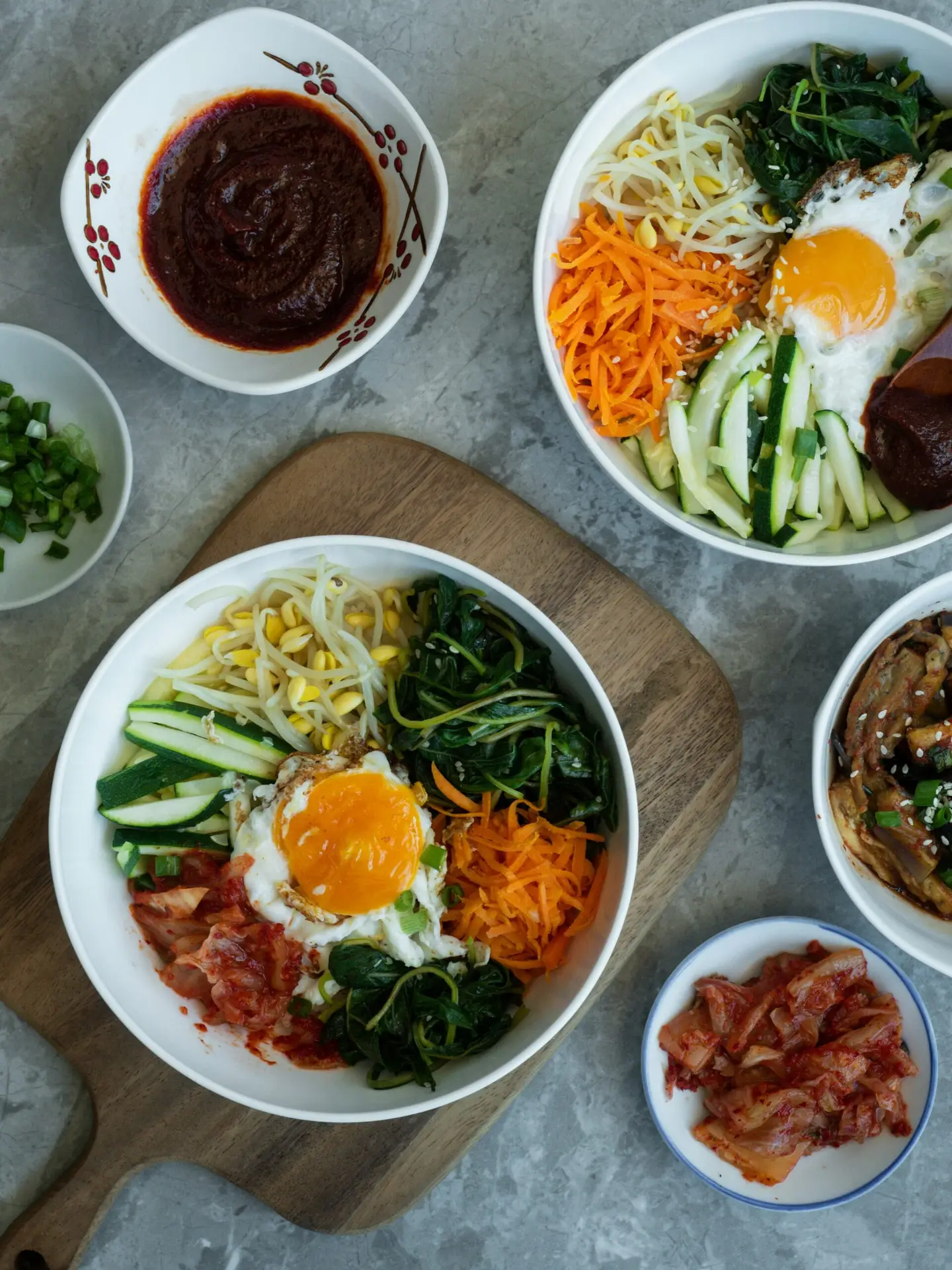
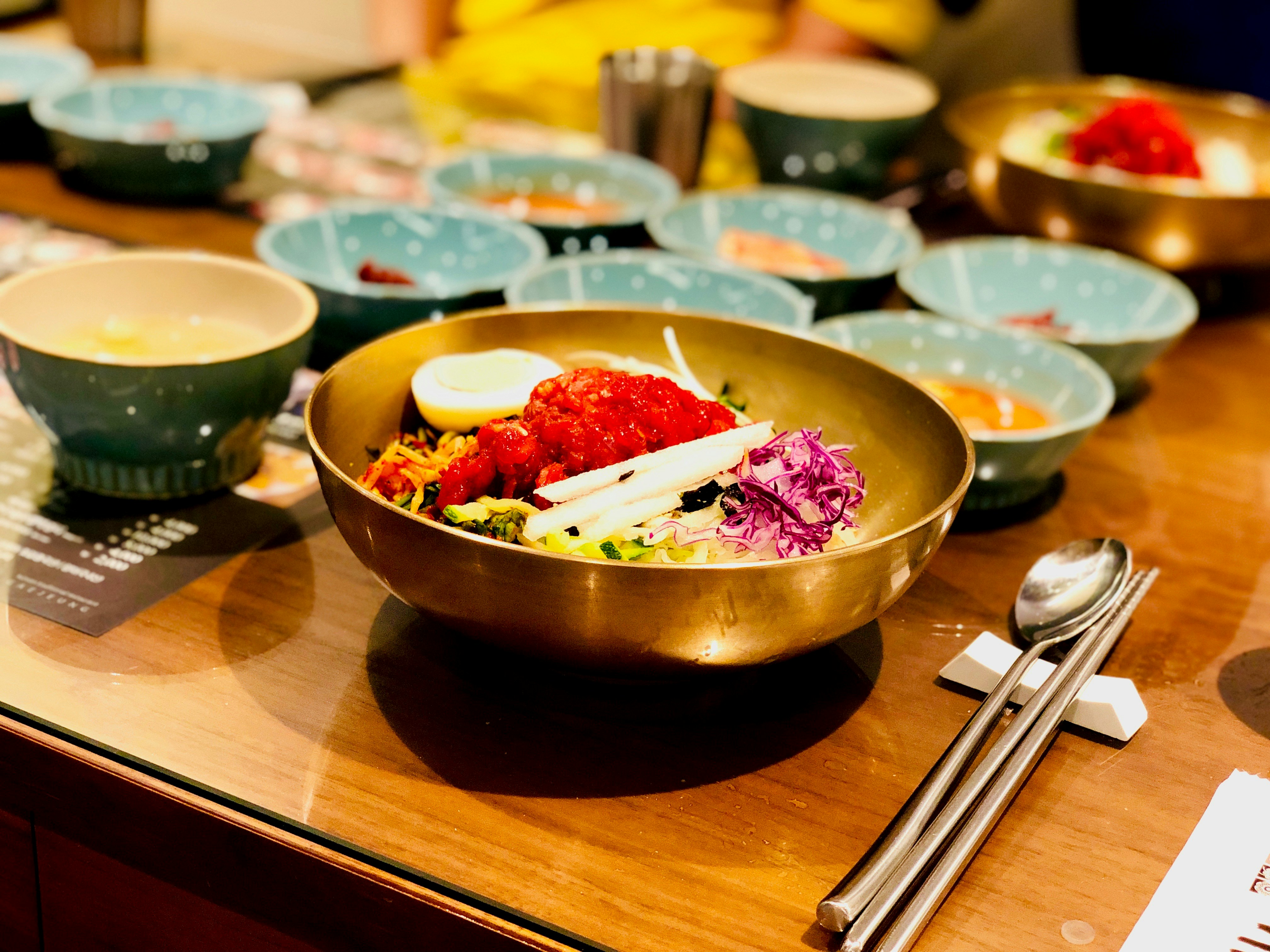
At its core, bibimbap consists of a bowl of warm rice topped with an assortment of seasoned vegetables, a source of protein such as beef or tofu, and often garnished with a fried egg. Each ingredient not only contributes distinct textures and flavors but also showcases an array of colors. The vibrant hues, ranging from lush greens to rich reds and yellows, are symbolic of the five essential elements in traditional Korean philosophy: wood, fire, earth, metal, and water. This colorful presentation elevates the dish from a mere meal to a visual feast, promoting the concept of diversity within unity.
The vegetables typically found in bibimbap include carrots, cucumbers, spinach, bean sprouts, and mushrooms, all sautéed or seasoned separately to preserve their individual flavors. The addition of gochujang, a spicy red pepper paste, enhances the dish, offering a depth of flavor that unifies the diverse components. Furthermore, bibimbap can adapt to various dietary preferences, accommodating vegetarian and vegan diets with ease. This flexibility is part of what makes bibimbap a beloved choice among locals and international diners alike.
In essence, bibimbap is more than a dish; it is a culinary representation of Korean values, illustrating the importance of balance, harmony, and variety in both food and life. By combining multiple colors and flavors, bibimbap embodies health and well-being in every bowl, inviting diners to appreciate not just its taste, but also its cultural depth.
Historical Evolution of Bibimbap
Bibimbap, often regarded as a quintessential Korean dish, possesses a rich historical narrative that reflects the evolution of Korean cuisine and culture. Its origins can be traced back to the royal court of Korea during the Joseon Dynasty (1392-1910), where elaborate meals showcased not only the culinary skills of the era but also the philosophical principles of harmony and balance. Initially, bibimbap was served as a sophisticated dish, adorned with colorful vegetables and various meats, appealing to the aesthetic sensibilities of the nobility. This exquisite meal symbolized the variety and abundance that characterized the royal table.
As time progressed, the accessibility of bibimbap began to expand. During the late 19th and early 20th centuries, the dish began to transition from the palatial kitchens to the homes of commoners. This shift was influenced by socio-political changes, including the Japanese occupation and subsequent struggles that necessitated a culinary adaptation. Ingredients that were once exclusive to the elite became readily available, allowing households to create their simplified versions of bibimbap. Furthermore, the rise of informal dining establishments in Korea popularized this dish among the masses, contributing to its widespread acceptance.
Throughout the decades, bibimbap has continued to evolve. The introduction of globalization in the late 20th century saw the dish gaining international prominence, sparking interest beyond Korean borders. Today, bibimbap encompasses a myriad of interpretations, with various regions of Korea infusing their local flavors and ingredients. This dish’s transformation from a royal delicacy to a beloved staple exemplifies the adaptability and resilience of Korean culinary traditions, as well as the lasting significance of simplicity and balance that bibimbap encapsulates.
The Philosophy Behind the Five Colors
Bibimbap, a cornerstone of Korean cuisine, is not merely a dish; it is a representation of the profound philosophical beliefs entrenched in Korean culture. At its core, Bibimbap is characterized by the harmonious interplay of five distinct colors: white, black, red, green, and yellow. Each of these colors is associated with specific ingredients, each symbolizing vital concepts that contribute to the balance and harmony that define Korean philosophy.
The color white, typically represented by rice or radishes, symbolizes purity and simplicity. In Korean philosophy, these attributes are considered essential for achieving a balanced life. Rice serves as the foundation of the dish, embodying the idea of nourishment and stability, reflecting the importance of simplicity in achieving peace and tranquility.
Black, often manifested through ingredients such as black sesame seeds or mushrooms, represents mystery and depth. In many cultures, the color black is associated with the unknown and the spiritual, encouraging introspection. Therefore, its inclusion in Bibimbap invites diners to explore their inner selves while appreciating the complexities of life that contribute to a well-rounded existence.
The vibrant red color, prominent through ingredients like gochujang (red chili paste) or red peppers, symbolizes passion and energy. According to Korean beliefs, red embodies the power of creation and transformation, reminding individuals of their vitality and the importance of embracing life’s challenges with enthusiasm.
Green, represented by vegetables such as spinach or cucumber, signifies growth and renewal. In the context of Bibimbap, green ingredients act not only as refreshing components but also as representatives of the life cycle. They highlight the significance of nature in promoting health and wellbeing, essential aspects of the Korean way of living.
Lastly, yellow, often seen in foods like zucchini or egg, is associated with warmth and happiness. Yellow ingredients contribute richness to Bibimbap, symbolizing optimism and satisfaction, essential qualities for harmony in both cuisine and life.
Through the thoughtful integration of these five colors, Bibimbap serves as a delicious testament to the philosophical beliefs surrounding balance and harmony embedded in Korean culture, allowing individuals to experience both nourishment and introspection in every bite.
Nutritional Benefits of Bibimbap
Bibimbap is not only a feast for the eyes but also a nutritional powerhouse that represents the harmony of various food groups. The dish is primarily composed of rice, assorted vegetables, and often includes meat or an egg. The vibrant colors of the vegetables used in bibimbap signify the five essential elements in Korean philosophy: wood, fire, earth, metal, and water. This colorful blend ensures a wide range of vitamins and minerals that contribute to overall health.
The vegetables in bibimbap, such as spinach, carrots, cucumbers, and mushrooms, provide a rich source of nutrients. Spinach, for instance, is high in iron and calcium, supporting bone health and aiding oxygen transport throughout the body. Carrots and cucumbers add significant amounts of Vitamin A and hydrating properties, respectively, which are vital for maintaining skin health.
Incorporating various food groups is crucial to achieving a balanced diet. Bibimbap achieves this through its combination of carbohydrates from rice, protein from meat or the egg, and a plethora of nutrients from vegetables. The inclusion of proteins is essential for building and repairing tissues, while carbohydrates serve as a primary energy source. This thoughtful integration of diverse food groups not only enhances the dish’s flavor but also ensures that it meets the nutritional needs of those consuming it.
An essential component of bibimbap is gochujang, a fermented chili paste that adds a unique spicy flavor. Beyond taste, gochujang is rich in antioxidants and may provide health benefits such as improved digestion and enhanced metabolism. Its natural fermentation process also contributes to gut health, providing beneficial probiotics.
Overall, bibimbap serves as a model of nutritional balance, making it a delightful and healthful choice for those seeking a wholesome meal. Its combination of vibrant ingredients and flavors makes bibimbap a versatile dish that caters to various dietary preferences while promoting well-being.
Gochujang: The Heart of Bibimbap
Gochujang, a quintessential ingredient in Korean cuisine, acts as the heart of bibimbap, infusing the dish with its distinctive flavor and vibrant color. This fermented chili paste is made primarily from red chili powder, glutinous rice, powdered fermented soybeans, and salt. The process of fermentation not only enhances its taste but also contributes to its complex nutritional profile. The umami-rich flavor of gochujang offers a perfect balance of sweetness, spiciness, and depth that elevates bibimbap to a culinary experience that is deeply rooted in Korean culture.
In addition to flavor, gochujang is renowned for its health benefits. It contains capsaicin, which is known to boost metabolism and promote weight loss. This component, along with the probiotics formed during fermentation, supports a healthy gut microbiome, potentially improving digestion and overall gut health. Furthermore, gochujang is rich in vitamins and antioxidants, which can help in combating oxidative stress and reducing inflammation. Given these properties, it’s clear how gochujang does not only enhance the sensory attributes of bibimbap but also contributes positively to one’s well-being.
Culturally, gochujang plays a significant role in Korean households, symbolizing the essence of comfort and heartiness in meals. It is often used as a condiment or key ingredient in various Korean dishes, further emphasizing its versatility. The presence of gochujang in bibimbap not only enriches the flavor profile but also represents the harmony of flavors that Korean philosophy celebrates. As diners mix the paste into their bowl of bibimbap, they not only enjoy a dish that is visually stunning but also a meal imbued with cultural significance, celebrating the interconnectedness of nutrition and traditional Korean values.
Bibimbap Variations Across Regions
Bibimbap, the iconic Korean dish, showcases a diverse array of regional variations that reflect the culinary traditions and local ingredients of different areas in Korea. While the essence of bibimbap remains the harmonious mix of rice, vegetables, and protein, each region adds its unique twist, making the dish a fascinating topic for gastronomic exploration.
One of the most celebrated versions is Jeonju Bibimbap, which hails from the city of Jeonju, known as the birthplace of this dish. Jeonju Bibimbap is distinguished by its use of high-quality ingredients including fresh seasonal vegetables, marinated beef, and a fried egg. The region places a significant emphasis on presenting the dish beautifully, often incorporating vibrant colors which enhance its visual appeal, embodying the five-color philosophy central to Korean cuisine.
Another notable variation is Dolsot Bibimbap, which translates to “hot stone pot bibimbap.” This version is served in a heated stone bowl, giving the rice a delightful crispy layer at the bottom. The ingredients are similar to the traditional bibimbap, yet the cooking method results in a unique texture and flavor. As the dish cooks in the pot, the heat melds the flavors together while also ensuring that the other components, such as the vegetables and meat, remain tender and fresh. Dolsot Bibimbap is particularly popular among diners who enjoy a textural contrast in their meals.
In addition to these, various regions like Busan, Seoul, and others have developed their own styles, incorporating local specialties such as seafood or special sauces. This regional diversity not only showcases the versatility of bibimbap but also reflects the local culture and agricultural practices, making each variation a noteworthy experience. Ultimately, these regional adaptations further highlight the rich tapestry of Korean culinary heritage, while maintaining the fundamental characteristics of this beloved dish.
Bibimbap in Contemporary Cuisine
In recent years, Bibimbap has evolved from a traditional Korean dish into a popular choice in contemporary cuisine, both in restaurants and home kitchens around the world. Chefs and culinary enthusiasts have embraced this classic meal, reinterpreting it in ways that highlight its unique flavors while adapting it to diverse tastes and dietary preferences.
Restaurants from casual to fine dining have begun to incorporate Bibimbap into their menus, often experimenting with the dish’s various components. Some establishments have opted for fusion versions, integrating ingredients from different cultures, such as adding quinoa instead of rice or topping it with non-traditional proteins like shrimp or tofu. These adaptations not only appeal to a broader audience but also allow for creativity in presentation and flavor combinations. This modern take on Bibimbap maintains the original essence of the dish, emphasizing balance through the vibrant array of colors and textures.
The popularity of Bibimbap has also surged outside of Korea, thanks in part to the growing interest in Korean cuisine globally. Health enthusiasts have recognized the nutritional value of Bibimbap, which is rich in vegetables and can be easily tailored to various dietary needs. The balanced mix of proteins, carbohydrates, and vitamins makes it an attractive option for those seeking a wholesome meal. Additionally, the customizable nature of the dish appeals to the modern consumer, who often looks for meals that can be personalized according to individual preferences or dietary restrictions.
As Bibimbap continues to be embraced by chefs and home cooks alike, it serves as a testament to the adaptability and enduring appeal of this beloved Korean dish. The culinary landscape reflects a shift towards inclusivity, where traditional meals evolve and thrive in innovative and health-conscious ways.
The Importance of Presentation in Bibimbap
Presentation plays a vital role in Korean cuisine, and bibimbap is no exception. Known for its vibrant array of colors and textures, bibimbap is not just a dish but a feast for the eyes. The aesthetic appeal of this traditional meal is deeply rooted in the philosophy of balance and harmony, exemplifying the Korean appreciation for visual artistry in food. When served, bibimbap typically showcases an assortment of colorful ingredients, each representing one of the five fundamental elements: wood, fire, earth, metal, and water. This use of color not only makes the dish visually striking but also highlights the nutritional diversity it offers.
Traditional serving methods often involve arranging the ingredients in a way that reflects both symmetry and contrast. Each component—whether it be the vibrant greens of vegetables, the rich hues of seasoned meats, or the bright yellow of a fried egg—plays a crucial role in enhancing the overall presentation. The artful placement of these elements creates an inviting display that encourages diners to appreciate not just the flavors, but also the craftsmanship involved in its creation.
The sensory experience of bibimbap is heightened by its presentation; a visually appealing meal can elevate the dining experience and prepare the palate for the forthcoming flavors. The sight of a well-prepared bibimbap invokes anticipation, inviting those at the table to engage with the meal not just as nourishment, but as an expression of culture and tradition. By prioritizing presentation, bibimbap not only honors the ingredients but also underscores the importance of mindfulness while eating, fostering a deeper connection to the food and its origins.
Conclusion: The Lasting Legacy of Bibimbap
Throughout history, Bibimbap has evolved from a royal dish enjoyed by the elite to a beloved meal embraced by individuals across various social strata. This transformation underscores the cultural significance of Bibimbap in Korean society and highlights its role as a symbol of unity and balance. The dish represents a stunning array of colors, flavors, and textures, which is reflective of the Korean philosophy of harmony.
The vibrant presentation of Bibimbap, featuring five distinct colors, serves not only an aesthetic purpose but also reflects a deeper understanding of nutrition. Each ingredient contributes its unique health benefits, which underscores the importance of a balanced diet. As people increasingly become aware of the role nutrition plays in their well-being, Bibimbap remains a pertinent example of how a meal can combine flavor and health without compromising on taste.
The appeal of Bibimbap extends beyond its nutritional value; it also holds an emotional connection for many. The act of mixing all ingredients together before consumption is a communal experience, fostering togetherness and shared enjoyment among friends and family. This shared preparation enhances the dish’s significance and illustrates Korean values centered around harmony and hospitality.
For those eager to experience this cultural icon firsthand, preparing Bibimbap at home can be a rewarding endeavor. With the right ingredients and a bit of practice, anyone can create this culinary masterpiece. By immersing oneself in the process of making Bibimbap, one can appreciate its rich heritage and the culinary philosophy that has shaped this dish throughout the ages. Bibimbap is more than just a meal; it is a journey through flavors, culture, and history that deserves to be savored and celebrated.