
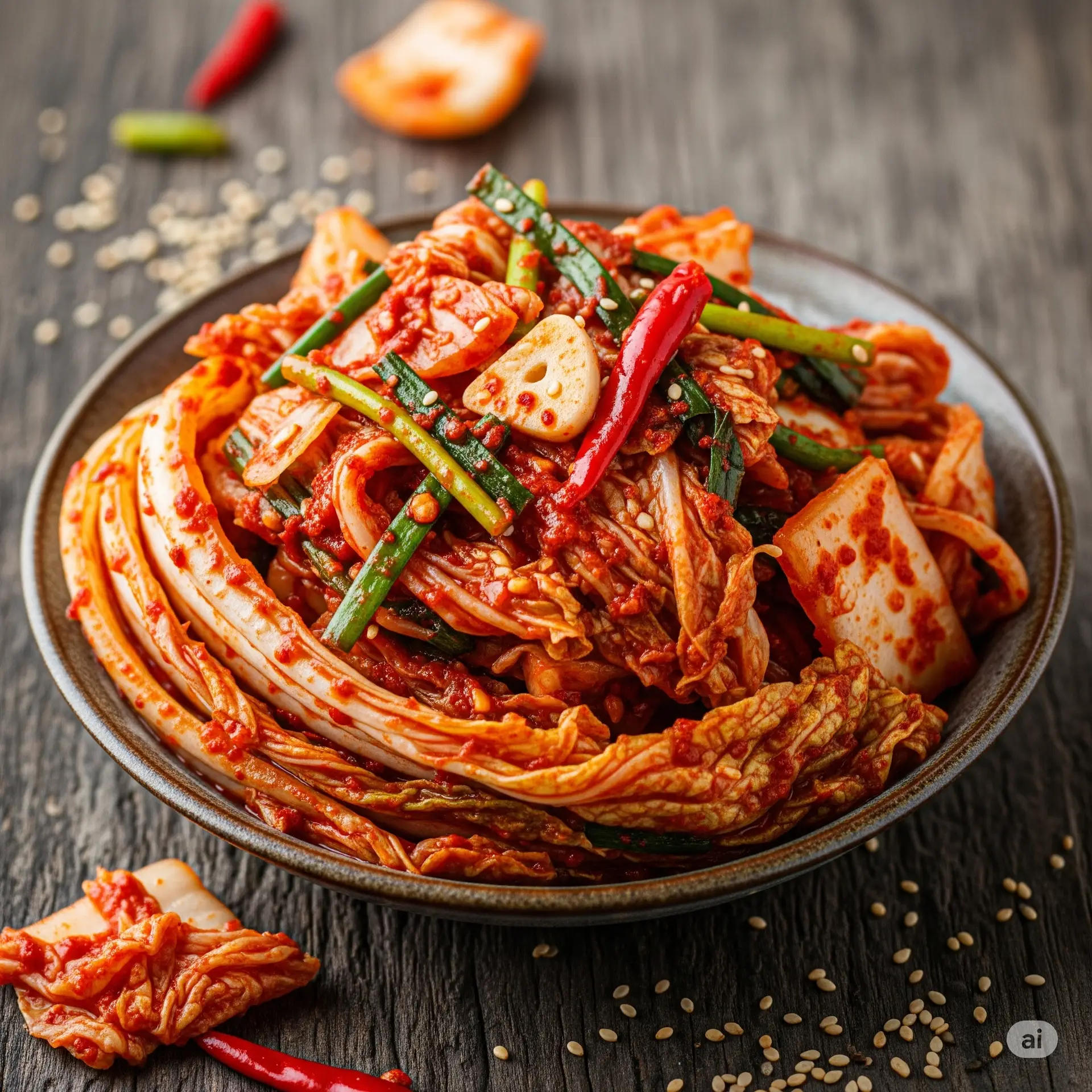
Introduction to Kimchi
Kimchi is a cornerstone of Korean cuisine, renowned not only for its vibrant flavors but also for its deep cultural significance. This fermented dish, primarily made from napa cabbage, radishes, and a variety of spices, showcases the unique culinary practices that have evolved in Korea over centuries. Kimchi serves as a staple side dish in almost every meal, symbolizing the harmony and balance sought in traditional Korean food culture.
The variations of kimchi are vast, reflecting regional preferences and seasonal ingredients. For instance, while the familiar baechu kimchi, made with cabbage, is widely recognized, there are countless other recipes that incorporate ingredients such as cucumbers, green onions, and even fruits. Each type of kimchi carries its own distinct flavor profile, influenced by the specific fermentation process, spices used, and individual recipes passed down through generations. This diversity not only enriches the culinary landscape but also highlights the creativity and resourcefulness of Korean cooks throughout history.
Beyond its gastronomic appeal, kimchi holds significant cultural importance in Korea. It is often prepared in bulk during the fall season, a tradition known as ‘kimjang,’ where families and communities come together to make large batches to sustain them through the winter months. This practice is recognized by UNESCO as an Intangible Cultural Heritage of Humanity, underscoring kimchi’s role in fostering family bonds and community resilience.
The exploration of kimchi extends into the realm of science, particularly in the fermentation process that transforms fresh vegetables into this beloved dish. Understanding how fermentation works not only enhances appreciation for kimchi but also underscores its health benefits, including probiotic properties and nutrient preservation. This discussion sets the stage for delving into the historical context and scientific principles behind this iconic food, anchoring kimchi as a significant element of both Korea’s past and present.
The Historical Roots of Kimchi
Kimchi is not merely a culinary staple in Korea but also a dish deeply rooted in the nation’s history. The origins of kimchi can be traced back to the Three Kingdoms period of Korea (57 BC – 668 AD). During this era, the need for food preservation became increasingly vital due to the harsh winter months and limited access to fresh produce. As a result, early iterations of fermented vegetables emerged, paving the way for what we now recognize as kimchi.
Initially, the earliest forms of kimchi were quite different from the varieties we find today. Primitive recipes primarily included salted vegetables, often without spices. The fermentation process developed as a crucial technique for ensuring that food could be stored over extended periods. Ingredients varied based on seasonal availability and regional practices. For instance, people in the warmer southern regions of Korea may have used a variety of vegetables like radish and cucumber, while northern provinces more likely relied on root vegetables to make their kimchi.
During the Goryeo Dynasty (918 – 1392), the preparation of kimchi diversified, incorporating spices such as garlic and ginger to cater to gustatory preferences. By the time of the Joseon Dynasty (1392 – 1897), particularly the 17th century, chili peppers arrived in Korea from the Americas. This new ingredient revolutionized the preparation of kimchi, introducing the spicy flavor that is now synonymous with the dish. Regional variations of kimchi began to flourish, allowing different provinces to cultivate unique flavors and ingredients, each contributing to the rich tapestry of Korean culinary tradition.
Today, kimchi represents both a historical marker and a symbol of Korean identity. Its evolution echoes the adaptability and resourcefulness of the Korean people throughout the ages, as they sought to preserve food and enhance their dietary practices through fermentation. Understanding the historical roots of kimchi provides valuable insight into both the dish and the culture it represents.
The Role of Napa Cabbage in Kimchi
Napa cabbage, or “baechu,” serves as a fundamental ingredient in the majority of traditional kimchi recipes. Originating from China, this leafy vegetable has established its agricultural significance in Korea, where it has become synonymous with the country’s culinary identity. Its cultivation thrived in Korea’s temperate climate, characterized by distinct seasons that facilitate optimal growth. As napa cabbage became increasingly popular, it became deeply woven into the fabric of Korean culture, signaling not only its importance in diet but also its value in annual harvest festivals and celebrations.
The adaptation of napa cabbage to the Korean landscape is notable. The diverse microclimates and soil conditions throughout Korea, ranging from the cold northern regions to the warmer southern areas, yield napa cabbages with varying textures and flavors. These regional differences allow for a variety of kimchi styles, each taking advantage of the local napa cabbage’s unique characteristics. For instance, the firm and crunchy napa cabbage grown in colder regions is often preferred for making traditional kimchi, while those grown in warmer areas may be milder and softer.
Nutritionally, napa cabbage is a powerhouse. It is low in calories and rich in vitamins A, C, and K, as well as folate and fiber, making it an ideal choice for a healthy diet. It is also lauded for its probiotic content when fermented, enhancing digestive health. The health benefits of napa cabbage extend beyond its nutritional profile; it helps in alkalizing the body, improving heart health, and supporting a robust immune system. By integrating this versatile vegetable into their dishes, Koreans not only preserve its historical and agricultural significance but also promote a healthy lifestyle, further reinforcing napa cabbage’s role in the making of kimchi.
Understanding Gochugaru: The Heart of Kimchi Spice
Gochugaru, the vibrant red chili powder integral to kimchi, epitomizes the essence of Korean cuisine through its unique flavor profile and cultural significance. Derived from sun-dried chili peppers, this spice offers a harmonious blend of heat and sweetness, distinguished by its coarse texture reminiscent of crushed pepper flakes. Its distinct flavor is not only crucial for culinary applications but also for the fermentation process that characterizes kimchi, contributing to its deep umami notes and complex aroma.
There are two primary types of gochugaru used in kimchi: coarse and fine. Coarse gochugaru is typically utilized in traditional kimchi recipes, as its larger flakes enhance the overall texture of the dish. This variety maintains its heat while allowing other ingredients’ flavors to meld during fermentation, creating a balanced taste. In contrast, fine gochugaru is often incorporated into spicier kimchi variants, as it dissolves more readily and infuses the mix with a more uniform heat. Understanding these differences enables cooks to tailor the heat and flavor profile of their kimchi to suit personal preferences and regional variations.
Beyond flavor, gochugaru plays a significant role in the health benefits associated with kimchi. Capsaicin, the compound responsible for the heat in chili peppers, is known for its anti-inflammatory properties and potential metabolic benefits. These attributes, combined with other ingredients in kimchi such as garlic and ginger, contribute to the dish’s reputation as a superfood, rich in probiotics and antioxidants. By selecting the right type of gochugaru, one can enhance not only the flavor of kimchi but also amplify its health-promoting characteristics, making it a fundamental element in both culinary and nutritional contexts.
The Science Behind Fermentation
Fermentation is a fascinating biochemical process that has been harnessed for centuries in the production of foods like kimchi. At its core, fermentation involves the conversion of carbohydrates to alcohol or organic acids through the action of microorganisms, primarily bacteria and yeasts. In the case of kimchi, various beneficial bacteria, such as Lactobacillus kimchii, play a pivotal role in this process. These microorganisms thrive in an anaerobic environment, which is created during the fermentation of the vegetables, especially cabbage, that constitute kimchi.
The first step in the fermentation process involves the breakdown of sugars present in the vegetables. As these sugars are metabolized by the Lactobacillus bacteria, lactic acid is produced as a byproduct. This acidic environment serves multiple purposes: it not only preserves the kimchi by inhibiting the growth of harmful bacteria but also contributes to the tangy flavor that is characteristic of well-fermented kimchi. Additionally, the building of lactic acid is accompanied by the development of various flavor compounds, which together create the complex taste profile that kimchi is celebrated for.
Further enhancing the nutritional profile of fermented kimchi, these beneficial bacteria act as probiotics, promoting gut health and potentially providing various health benefits. The fermentation process also catalyzes the breakdown of complex nutrients into simpler forms, making them more bioavailable and easier for the human body to absorb. The enzymes released during fermentation aid in this process, allowing for the enhanced digestion of proteins and other macromolecules. As a result, kimchi not only serves as a flavor-packed side dish but also as a source of beneficial nutrients that contribute to overall well-being. Understanding the science behind fermentation allows us to appreciate the delicate balance of nature and human ingenuity that transforms simple ingredients into a beloved dish with a rich history and numerous health benefits.
Kimchi’s Evolution Through the Ages
Kimchi, a traditional Korean dish renowned for its rich flavors and health benefits, has undergone significant transformations throughout its history. Tracing its origins back to ancient times, the early versions of kimchi were predominantly simple fermented vegetables, primarily made with salt and water. These methods were largely influenced by the need for food preservation in a time when refrigeration did not exist. Various vegetables, including radishes and napa cabbage, were commonly utilized, reflecting locally available produce.
As trade routes expanded and foreign cultures began to intermingle with Korean traditions, new ingredients found their way into kimchi recipes. For instance, the introduction of chili peppers from the Americas in the 17th century revolutionized the way kimchi was prepared. This not only enhanced the flavor profile but also added a vibrant red color, distinguishing modern kimchi from its ancestors. The incorporation of diverse spices and vegetables began to reflect the region’s evolving palate and a growing acceptance of global cuisine influences.
The 20th century witnessed further advancements in kimchi’s evolution, largely propelled by rapid urbanization and changing lifestyles. As Koreans migrated to urban centers, traditional methods began to adapt to accommodate shorter preparation times and contemporary diets. Pre-packaged kimchi became widely available, making the dish more accessible while ensuring that the fermentation process remained an integral part of its identity.
Moreover, globalization has introduced a plethora of creative interpretations of kimchi, ranging from fusion dishes to gourmet versions found in upscale restaurants worldwide. Although these modern adaptations may stray from traditional recipes, they showcase the dish’s versatility and enduring appeal. Today, kimchi remains not only a cultural symbol but also a testament to how a traditional dish can evolve while retaining its essential characteristics. The ongoing transformation of kimchi reflects the dynamic interaction between tradition and innovation, ensuring its relevance in culinary history and contemporary cuisine.
Cultural Significance of Kimchi in Korean Society
Kimchi is more than just a staple food in Korea; it symbolizes the essence of Korean identity and cultural heritage. This traditional fermented vegetable dish, primarily made from napa cabbage and Korean radishes, has been ingrained in the daily lives of Koreans for centuries. It not only serves as a beloved accompaniment to meals but also represents the resilience and adaptability of the Korean people throughout history.
The preparation of kimchi reflects the values instilled in Korean society, particularly the importance of family and community. Traditionally, the making of kimchi, known as ‘kimjang’, is not merely a solo endeavor but a communal activity undertaken in preparation for the winter months. Families come together to prepare large quantities of kimchi, showcasing cooperation, bonding, and the passing down of recipes from generation to generation. This practice strengthens familial ties and promotes a sense of belonging, thus reinforcing cultural identity.
Furthermore, kimchi holds a prominent place in various social gatherings and festivals throughout Korea. It is a key component of celebratory feasts and represents hospitality and generosity, clearly indicating the host’s willingness to offer traditional cuisine. The act of sharing kimchi during meals fosters social interactions and reinforces community bonds, making it a significant aspect of Korean dining culture. Additionally, with the global popularity of Korean cuisine on the rise, kimchi serves as an ambassador of Korean culinary traditions, embodying the rich history and cultural values of the nation.
Ultimately, kimchi transcends its role as a mere food item; it is a vital part of the Korean cultural landscape. Its preparation, consumption, and significance strongly illustrate the deep-rooted traditions and communal values that embody Korean society, connecting past and present in a continuous thread of cultural expression.
Preparing Kimchi: Traditional and Modern Techniques
Kimchi, a staple of Korean cuisine, is renowned for its distinct flavors and health benefits, achieved through the fermentation process. The art of preparing kimchi has evolved over centuries, leading to both traditional and contemporary methods that cater to diverse palates and preferences. In traditional Korean households, making kimchi is typically a communal activity, usually occurring in late autumn during a process known as “kimjang.” This method involves carefully selecting ingredients, including napa cabbage, radishes, scallions, garlic, ginger, and a blend of spices, notably gochugaru (Korean red pepper flakes). The cabbage is seasoned and allowed to ferment, developing a unique balance of sourness and umami over time.
Contemporary methods for preparing kimchi have gained popularity, particularly with the rise of health-conscious consumers and the DIY food movement. Many modern recipes simplify the traditional process to accommodate home cooks with limited time. For instance, instead of fermenting kimchi for several weeks, some recipes suggest a quick fermentation technique using jars, where ingredients are combined and left at room temperature for a shorter duration. Additionally, the use of fermentation vessels, such as vacuum-sealed jars or fermenting crocks, allows for more controlled conditions, ensuring successful results while minimizing odors. These modern approaches are often accompanied by inventive recipe variations, incorporating ingredients like fruits, herbs, or different types of vegetables to create unique flavors.
The growing trend of homemade kimchi reflects an increasing appreciation for traditional practices interwoven with new techniques. Initiatives like workshops and cooking classes further promote the skill, allowing enthusiasts to master the balance of spices and fermentation. Whether following traditional kimjang customs or experimenting with contemporary recipes, the preparation of kimchi remains a vital expression of Korean culinary heritage.
The Global Impact and Future of Kimchi
Kimchi, a traditional Korean dish, has transcended its roots to become a global culinary phenomenon. The rise of kimchi on international menus can be attributed to the growing interest in fermented foods, which are recognized for their distinctive flavors and health benefits. As consumers increasingly prioritize gut health and nutrition, kimchi has emerged as a popular choice due to its rich probiotic content and diverse nutrient profile. This increasing appreciation for fermented foods has propelled kimchi beyond Korean households, seeing it incorporated into various gastronomic practices worldwide.
In countries like the United States and Canada, kimchi is often featured in fusion dishes that blend various culinary traditions, such as kimchi tacos or kimchi burgers. These adaptations not only cater to diverse palates but also introduce a broader audience to the health benefits associated with fermented products. Moreover, the popularity of kimchi is supported by its presence in mainstream media and cooking shows, where chefs showcase innovative ways to integrate this iconic dish into modern meals.
Looking towards the future, the potential for kimchi remains significant. As global awareness of sustainable and healthful eating practices grows, so does the demand for locally sourced and fermented products. Kimchi producers may adapt to these trends by focusing on organic ingredients and environmentally friendly production methods. Additionally, artisanal brands are likely to emerge, emphasizing the importance of craft fermentation processes and unique flavors. The rise of food science may further enhance kimchi’s appeal, as research continues to explore its various health benefits, potentially leading to new variations designed with specific dietary needs in mind.
In essence, the future of kimchi lies in its ability to evolve while remaining true to its heritage. The ongoing popularity of this fermented dish signifies not only its cultural importance but also its potential role in shaping global food narratives focused on health and sustainability.

53 comments
It’s fascinating how gaming platforms are now prioritizing user wellbeing – a smart move! Seeing things like responsible gaming built into ph889 login link is encouraging. It’s not just about entertainment, but a healthy experience, right? 🤔
Interesting analysis! Seeing patterns in numbers is key, and platforms like jilimacao app are leaning into data-driven insights for players. It’s smart to understand those frequencies! Definitely changes the game.
Solid article! Thinking about bankroll management & responsible gaming is key, especially with platforms like ph 799 needing KYC for secure withdrawals. Great points on tilting too!
Baccarat’s patterns are fascinating – observing the Banker/Player trends is key! Seeing platforms like bigbunny download apk prioritize fast, secure deposits (GCash is a plus!) definitely enhances the experience. Solid KYC is important too.
Yo, everyone’s talking about casibom832. Decided to give it a shot. Alright, it’s got some cool features. Still exploring, but initial impressions are good. Worth checking out for the bonuses alone.
I enjoyed reading this article. Thanks for sharing your insights.
Needed to download in7game and in7gamedownload sorted me out. Clean download, no weird stuff. Top marks. Download from in7gamedownload
Heard some buzz about aa888br, so I’m checking it out. Seems promising! Fingers crossed for some good times and even better wins. Take a look aa888br
Just logged in to Phdream333login, ready to play! The interface is clean and easy to navigate. Hope my luck is in! Login and play here: phdream333login
Gonna check out mv88game! Hopefully some good games and easy wins! Tell me if you enjoy it. Take a gander here: mv88game
Can’t make it to the bingo hall? That’s what funbingoonline is for! Play from the comfort of your own couch. Definitely worth a try if you like bingo: funbingoonline
NN8888, alright, a veteran in the game. Been around for a while, that’s for sure. I have been using this before and it is pretty great. The variety and the odds are pretty good. I suggest you give it a try now: nn8888
Right, so I saw 511betlogin. Seems like a direct login for something. Anyone know the actual site that uses this as a portal? Find it here though: 511betlogin
Victory Slot? Cara, gotta love the name! Been spinning the reels and having some fun. Nothing crazy yet, but the vibe is good. Definitely checking it out some more. Who knows, maybe I’ll hit that jackpot! Check them out here: victory slot
I started making some serious cash with Okkbet1. The interface is simple, their support is so helpful. Check okkbet1 out you’ll love it here. It’s perfect spot, if you need a simple and quick payout!
Mega777casino is worth a try! The slots keep me super exciting! The jackpots can be big, but I also have quick payout. It’s pretty easy getting start here, everything is well structured mega777casino, you will have fun!
BBbetapp be straight fire, yo! Best app out there for placing your bets. Easy to use and never had any problems. Peep it out, fam! bbbetapp
lmjrddgjxxlrnfdpvdhqpwgsesmhjg
zeszwhvuozvkoiyetjysgufjxmqpdh
Hey folks, been using betisrealbetis for a while now. Their odds are pretty competitive, and the site is smooth. Definitely worth a look-see for your next bet. Find them here: betisrealbetis
Gave ne88bet a crack last night. A few wins, a few losses, the usual. The selection isn’t bad, and the interface is pretty easy to get around. Might be your cuppa. Check them out here ne88bet
Hey everyone, win911 is killing it lately Lots of new games and promotions Always something exciting happening Plus, their customer support is on point Highly recommend giving it a shot win911
Yo, checked out codwinslotlogin and it’s legit! The slots are pretty sweet and I even snagged a few wins. Definitely worth a spin, you know? Give codwinslotlogin a try, you might get lucky!
Yo, just checked out phfiery. Pretty slick! Seems like a decent spot to chill and, you know, unwind. Definitely gonna bookmark this one! Check it out for yourselves! phfiery
Okplayph represent! Pinoy pride! I’ve been messing around on Okplayph for a while now and it’s legit. Sulit! Go check it out kabayan: okplayph!
Thinking about signing up through 555bmwviplogin for the VIP perks. Anyone else tried it? Share your experience!
555bmwcasino is alright. Has some good games I can happily endorse. Don’t go spending the rent check!
SwerteVIP, sounds fancy! VIP treatment, eh? I’m in! Curious what the perks are gonna be. Worth a look-see, I reckon. Get your VIP treatment here: swertevip
Bji999 is my go-to when I’m bored. Easy to use and they got all kinds of stuff to keep you entertained. Worth a shot! Here’s the link: bji999
Mexlokijuego, ahora si hablamos! Heard they have some exclusive Mexican themed games. Gotta try it out for the culture! Right here: mexlokijuego
CasinoEthereum, nice! Crypto gambling is the future. Quick deposits and withdrawals are where it’s at. Check it out: casinoethereum
Checking out dresmjili… Seems like a place where you can try some great new things. dresmjili
007gamebet… kinda cheesy name, right? I gave it a quick look. It is hard to tell. Give it a spin if you’re intrigued! Proceed with caution. 007gamebet
123dbet, eh? Solid enough platform! I noticed they have some alright bonuses, go and give it a try if you are interested. 123dbet
Checked out mj777game the other day. Not bad, decent selection of games. Worth a look if you’re bored. Give it a shot at mj777game
Orionplaycasino is pretty cool. Smooth interface and some fun slots. Give ’em a try, maybe you’ll get lucky. Check ’em out at orionplaycasino
PH99? Alright, alright. A decent place to kill some time. Nothing too crazy, but solid. Try your luck at ph99
Yo, gotta love those color games you can play with Gcash! Quick and easy entertainment. Just remember to play responsibly lang ha? color game gcash
Gmc slot, eh? Sounds interesting. Anyone had any luck with the gmc slot games? Spill the tea! gmc slot
Medusagamevn, anyone playing? What’s the verdict? Is it worth the time and effort? Hit me up with your experiences. medusagamevn
365okgame has a surprisingly good selection of live dealer games. If you’re into feeling like you’re actually at the table, give it a whirl. Good and fun at 365okgame.
Appwildbet777… Downloaded it on a whim. It’s an app. Pretty sure it does what you think it will do. Here is the link to appwildbet777
Been spinning the reels at linkdubaicasino lately, and gotta say, it’s a solid choice if you’re looking for a bit of Dubai-themed fun. Worth a look! More here: linkdubaicasino
BYU Slot is calling my name!! I’ve heard they have some really nice slots. Will update if I can get super lucky and get a bonus! byu slot
Alright team, time to dive into Soi cầu 88 Rồng Bạch Kim. Gotta be strategic with your picks. Give this a peek: soi cầu 88 rồng bạch kim
Registering for Superjili was a breeze! Took like two minutes and now I’m ready to win big. Simple process and friendly interface. Superjili register is easy peasy superjili register and worth it
Been playing ‘b66.club game đổi thưởng’ for a bit. The ‘đổi thưởng’ part definitely caught my attention. It’s fun, and I’ve managed to win a few times. You might like it: b66.club game đổi thưởng
I’ve been playing at Seu Bet for a while now, and I’m generally pretty happy with them. Payouts are quick, and the selection of games is nice. seu bet
Heard good stuff about HM88asia here. Gonna compare the odds and bonuses like the pros. Checking it now! Explore the possibilities hm88asia
Another variation on Friv, maybe? Anyway some basic games on frivc. Give it a look.
Okay, so the 1 win aviator predictor… is it even possible to predict that thing? What’s the secret sauce? 1 win aviator predictor
Want to find ‘playpix oficial’ without getting scammed? This is the real deal. Don’t risk clicking on dodgy ads, use this: playpix oficial
srqvfdulltzkdlspiqkfvhxlusimth