
The Origins of Noodles: A Chinese Legacy
Noodles have a storied history that traces back thousands of years in China, where they are believed to have originated. Archaeological evidence suggests that the earliest forms of noodles date as far back as the Han Dynasty (206 BC – 220 AD). These early noodles, made from simple ingredients such as wheat and water, were likely different in texture and preparation compared to modern varieties. Ancient Chinese texts, including the “Shiji” or Records of the Grand Historian, reference the significance of noodles, indicating their prevalent use as a staple food.
Noodles held cultural importance in Chinese society, often associated with longevity and celebration. In various regions of China, different types of noodles emerged, showcasing the country’s diverse culinary practices. For instance, rice vermicelli became popular in southern parts, while wheat noodles dominated in the north. These regional variations highlight how noodles adjusted to local tastes and available resources, ultimately becoming a vital part of Chinese cuisine. This culinary flexibility contributed to noodles’ expansive integration into other cultures, including Japan.
The introduction of noodles to Japan can be attributed to early trade and migration between China and Japan. The first documented evidence of noodle consumption in Japan dates back to the 9th century, particularly with the arrival of Chinese visitors. By the 12th century, the dish known as “mian,” corresponding to the Chinese interpretation of noodles, began to gain prominence in Japan, setting the stage for the unique adaptation that would eventually lead to the creation of ramen. The historical journey of noodles exemplifies a rich cultural exchange, as these simple yet versatile dishes transcended borders and became beloved staples in various countries across East Asia.
The Introduction of Noodles to Japan
The journey of noodles from China to Japan marks a significant chapter in the culinary history of the region. This exchange can be traced back to the early 9th century during the Tang dynasty, a period noted for its cultural and economic expansion. Chinese traders and travelers played a pivotal role in this exchange, facilitating not only commerce but also the dissemination of food culture, including noodles. It is widely accepted that the earliest mentions of noodles in Japan appear in the form of “chūkamen” (Chinese noodles), brought over by these traders.
The timeline of this cultural diffusion highlights a gradual acceptance and adaptation of noodles within Japanese society, showcasing the resilience of culinary techniques. As the 12th century approached, the interaction between China and Japan continued to flourish, leading to the introduction of various noodle dishes. Alongside trade routes, Buddhist monks, who traveled between the two nations, also contributed to the introduction of noodles, utilizing them as a dietary staple during their pilgrimages.
As these culinary practices evolved, Japanese chefs began experimenting with local ingredients and techniques, tailoring the original Chinese noodles to suit their tastes and dietary preferences. The addition of rich broths, seaweed, and a variety of toppings reflected a distinct Japanese identity developing from the foundational concept of noodles. By the time of the Kamakura period (1185-1333), noodles had become more entrenched in Japanese culture, although they were not yet the ubiquitous dish they would become in later centuries.
This early adoption of noodles represented more than just a dietary shift; it symbolized the interconnectedness of food, culture, and trade between China and Japan. As we delve into the evolution of ramen later, it is crucial to understand this initial introduction and adaptation phase, which laid the groundwork for what would emerge as Japan’s beloved national dish.
The Evolution of Ramen: From Simple Noodles to a National Dish
The journey of ramen as a beloved Japanese staple began with the introduction of Chinese wheat-based noodles to Japan in the late 19th century. Initially, these noodles were rather simple and primarily served in broths that varied minimally in flavor. However, as Japanese culinary traditions started to blend with those of China, the concept of ramen began to take shape, evolving through various cultural influences, ingredients, and regional preferences.
During the Meiji period (1868-1912), the first ramen shops began to appear in Japan, primarily in port cities where Chinese immigrants settled. These establishments offered a dish that combined Chinese noodle recipes with local Japanese ingredients. A significant milestone in the evolution of ramen occurred with the introduction of soy sauce, which added a distinctive umami flavor that would soon become a hallmark of the dish. This period also saw the experimentation with different broths, with variations that included shoyu (soy sauce), shio (salt), miso, and tonkotsu (pork bone), each contributing to the diversity of ramen flavors across the nation.
As ramen grew in popularity, regional styles began to emerge. In Hokkaido, for instance, the rich flavors of miso ramen flourished, whereas, in Kyushu, the creamy tonkotsu ramen became a local favorite. These regional variations were driven by local ingredients, tastes, and cooking techniques, enhancing the overall appeal of ramen and enabling it to cater to a wide array of palates. Furthermore, the post-World War II era marked a significant turning point for ramen, with the introduction of instant ramen in the 1950s revolutionizing how people consumed this dish, making it accessible to a broader audience.
Consequently, what began as a simple bowl of noodles has transformed into a complex and celebrated national dish, embodying the rich tapestry of Japanese culinary culture and innovation.
Understanding Kansui: The Secret Ingredient
Kansui is a critical component in the art of ramen noodle production, acting as the essential alkaline water that significantly influences the structure and flavor of the noodles. This unique ingredient is composed primarily of sodium carbonate and potassium carbonate, which are responsible for elevating the pH level of the dough. The introduction of kansui alters the chemical composition of the flour, causing the proteins and starches to interact in ways that are vital for the development of the noodle’s signature texture.
When kansui is added to the noodle dough, its alkaline properties facilitate gluten formation, which is key to achieving the desired elasticity and chewiness. The interplay between kansui and the flour transforms the noodles into a bouncy and resilient product, allowing them to hold their shape when cooked in broth. Furthermore, the higher pH level also enhances the noodle’s color by promoting a pleasing golden hue, distinguishing ramen from other types of noodles.
The historical significance of kansui dates back to the Tang dynasty when the ingredient was developed in China. Initially, kansui was used in Chinese noodle-making, contributing to a variety of traditional dishes. However, as ramen evolved in Japan, this ingredient became a hallmark of noodle production, leading to the distinctive characteristics of Japanese ramen. The incorporation of kansui into ramen announced a new era for noodle texture, enabling it to adapt beautifully to robust broths and offering a delightful eating experience.
Ultimately, kansui remains an essential element in the mastery of ramen noodles. Its influence not only defines the taste and texture but also links the rich culinary heritage of China and Japan, showcasing how this simple ingredient is pivotal in the transformation of a dish into a national culinary treasure.
The Art of Dashi: Crafting the Broth
Dashi is a cornerstone of Japanese culinary tradition, primarily serving as the foundational broth for ramen. Its delicate, umami-rich flavors significantly influence the overall taste of the dish. The traditional preparation of dashi involves a few essential ingredients, primarily kombu (dried kelp) and katsuobushi (dried bonito flakes). Kombu is usually soaked in water, allowing it to release a subtle flavor during the heating process. The addition of katsuobushi, which is made by smoking and fermenting bonito fish, elevates the broth with its robust, smoky notes.
The process of crafting dashi is an art form in itself, often passed down through generations. The timing and temperature at which the ingredients are combined play crucial roles in achieving the desired flavor profile. Typically, dashi is made by briefly bringing the kombu-infused water to a boil, ensuring the extract does not become overpoweringly bitter. Once it reaches the desired boiling point, the katsuobushi is added and stirred, allowing the flavors to meld beautifully before being strained into the final broth.
Moreover, dashi varies across different regions of Japan, reflecting local tastes and available ingredients. For instance, in some areas, shiitake mushrooms are added to create a vegetarian version of dashi, appealing to those seeking plant-based options. Others might introduce various fish types, such as sardines or mackerel, to enrich the umami experience. Each variation showcases the adaptability of Japanese cuisine, aligning with the cultural significance of dashi in ramen and its role as a symbol of comfort and nourishment.
In conclusion, the art of crafting dashi represents a blend of tradition and flavor, underscoring its pivotal role in the ramen experience. Its diverse variations and intrinsic connection to Japanese culture continue to inspire chefs and home cooks alike, solidifying its place in this beloved national dish.
Regional Styles of Ramen: A Culinary Tour of Japan
Ramen, as a beloved dish in Japanese cuisine, showcases a remarkable variety of regional styles that reflect the diverse culinary landscape of the nation. Each type of ramen offers unique flavors, textures, and toppings, which are influenced by local ingredients and traditional cooking methods. Among the most notable styles are Tonkotsu, Shoyu, Miso, and Shio ramen, each offering a distinct culinary experience.
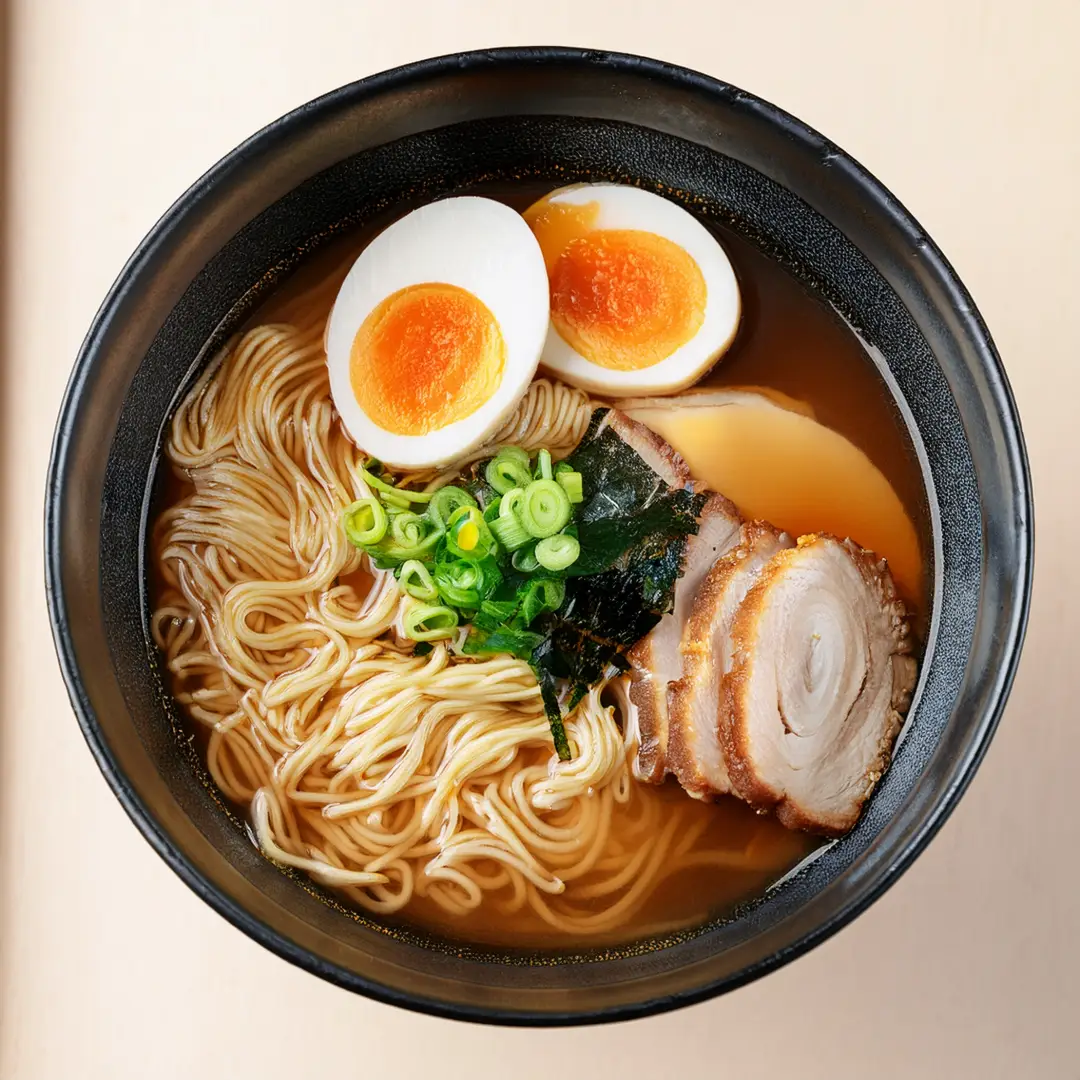
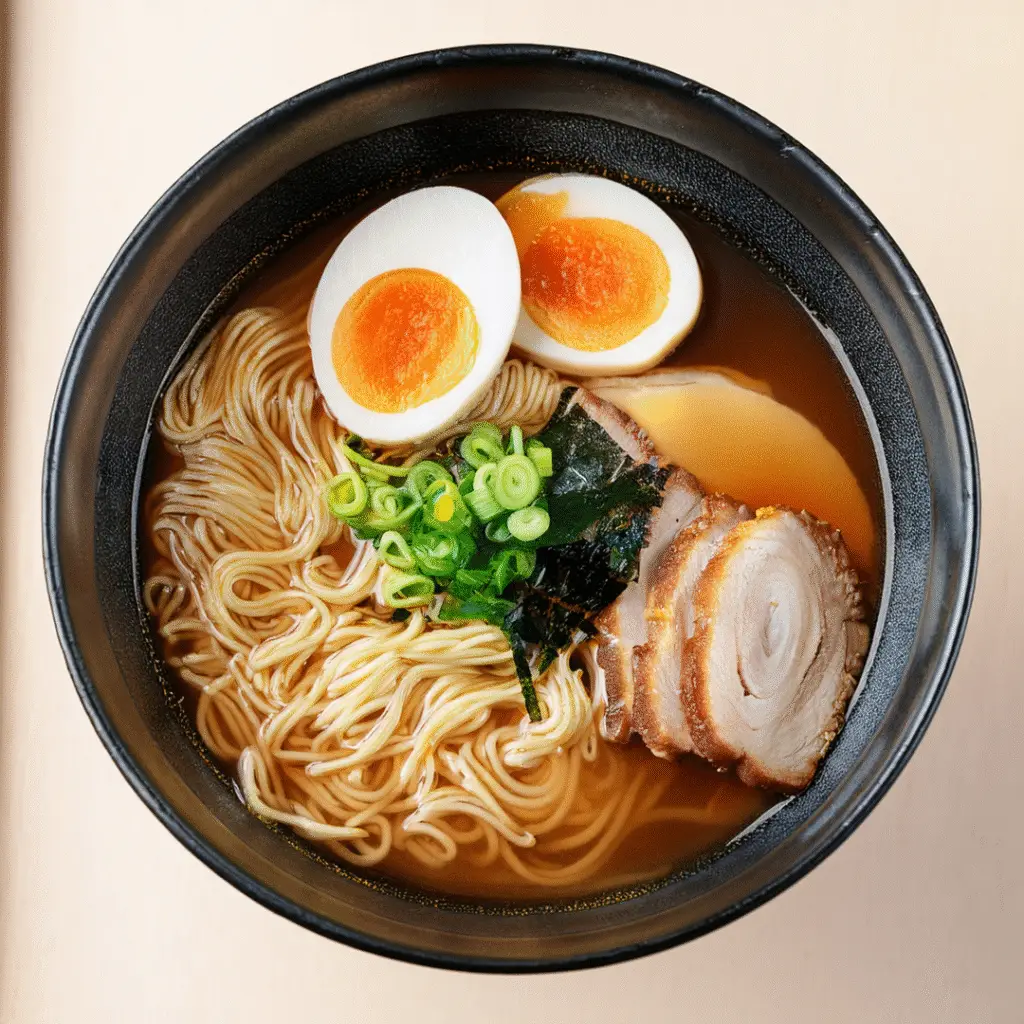
Tonkotsu ramen, originating from Fukuoka in Kyushu, is characterized by its rich, creamy pork bone broth. The broth is simmered for prolonged periods, extracting flavors and creating a robust taste. This style often features thin, wavy noodles and is typically garnished with chashu (braised pork), green onions, and boiled eggs, providing a hearty and satisfying meal.
Meanwhile, Shoyu ramen, which has roots in the Kanto region, features a soy sauce-based broth that is lighter yet savory. The broth’s nuanced flavor typically combines chicken and vegetables. Shoyu ramen is often served with curly noodles and topped with ingredients such as menma (bamboo shoots), nori (seaweed), and sliced pork, creating a delightful combination of tastes and textures.
Miso ramen, gaining popularity in Hokkaido, embraces the use of fermented soybean paste, lending a robust and slightly sweet flavor to the broth. It commonly incorporates thicker, chewy noodles and is garnished with toppings like corn, butter, and bean sprouts, adding a richness that embodies the region’s agricultural bounty.
Lastly, Shio ramen, known for its clear salted broth, is a staple particularly in the Kyushu region. This style offers a light and delicate flavor profile, complemented by the use of straight, thin noodles. Toppings such as scallions, vegetables, and seafood further enhance the flavor and presentation.
Through these diverse styles, each bowl of ramen tells a story of local culture and resources, showcasing how this Japanese dish evolves within various regions. The exploration of ramen truly is a culinary journey, reflecting the heart of Japan’s food heritage.
Ramen in Modern Japan: From Street Food to Gourmet
Ramen has undergone a remarkable transformation in Japan, evolving from a modest street food staple into a celebrated gourmet dish. The emergence of ramen shops in the post-World War II era marked the beginning of this culinary journey. Initially popularized as an affordable meal option for workers and students, ramen quickly gained traction due to its accessibility and ease of preparation. These small, often family-owned establishments played a crucial role in introducing diverse regional flavors, each characterized by its unique broth, noodle texture, and toppings.
As the years progressed, ramen began to attract a more discerning audience. The 1980s and 1990s witnessed an explosion in the number of ramen shops, many of which aimed to elevate the dish beyond its humble origins. Chefs started experimenting with high-quality ingredients and innovative cooking techniques. This led to the emergence of gourmet ramen, where chefs meticulously craft rich, flavorful broths from scratch, using premium meats and seasonal vegetables. The use of artisanal noodles has also become prevalent, showcasing the art of noodle-making as an essential component of the culinary experience.
The ramen boom gained momentum in the 21st century, fueled by a growing appreciation for Japanese cuisine globally. Celebrity chefs and television shows have played a significant role in this phenomenon, highlighting ramen’s complexity and chef-driven creativity. The introduction of international ramen festivals and competitions has further popularized the dish, drawing attention from food enthusiasts around the world. This global phenomenon not only highlights ramen’s cultural significance but also positions it as a comfort food that transcends borders, appealing to diverse palates while retaining its Japanese roots. Today, ramen is considered a symbol of Japanese culinary innovation, a far cry from its street food origins.
The Global Impact of Ramen: A Worldwide Phenomenon
Ramen, originally a Chinese noodle dish, has transcended its humble beginnings to become a global culinary sensation. This Japanese staple has significantly influenced international food culture, inspiring a myriad of adaptations and variations that honor its essence while incorporating local ingredients and flavors. The appeal of ramen lies in its versatility; from traditional tonkotsu broth to innovative vegan options, chefs worldwide have reimagined this classic dish, catering to diverse palates.
The global ramen trend can be attributed to several factors, including its affordable nature and its comforting qualities. Many people appreciate the ease with which ramen can be prepared, making it an excellent choice for quick meals. Food enthusiasts are drawn to the deep flavors of the broth and the satisfying texture of the noodles, which together create a harmonious experience. As ramen gained popularity outside Japan, chefs and home cooks began experimenting with various cooking techniques, prompting a fusion of styles that has enriched culinary practices across the globe.
Multicultural festivals and food markets have also played a crucial role in the spread of ramen. As ramen shops and food trucks emerged in urban areas, they served not just as places to enjoy a meal, but also as platforms for cultural exchange. Diners accustomed to their regional dishes have been exposed to this Japanese comfort food, allowing for an appreciation of not only ramen itself but also the surrounding culinary traditions. This cross-cultural interaction has created a vibrant culinary landscape where ingredients, methods, and ideas blend seamlessly.
Through these adaptations and the widespread embrace of ramen, it has fostered a greater understanding of Japanese cuisine while simultaneously inspiring chefs to incorporate elements from their own cultures. The delightful blend of flavors and techniques showcases the remarkable ability of food to unite diverse traditions. As ramen continues to evolve and spread its influence, it further solidifies its status as a beloved dish in the global culinary scene.
Conclusion: The Enduring Legacy of Ramen
Ramen, a dish that has captured the hearts and palates of millions, has a rich history that traces back to its Chinese origins. Initially introduced to Japan in the late 19th to early 20th centuries, the noodles quickly transformed into a uniquely Japanese culinary staple. The blend of culinary techniques, regional variations, and regional ingredients played crucial roles in this evolution, ultimately shaping ramen into a national dish celebrated across the globe.
Throughout the discussion, it became apparent that the journey of ramen is intertwined with the historical movements between China and Japan. This movement has resulted in a vibrant fusion of flavors and styles that exemplify the broader concept of cultural exchange. As Japan adapted the dish to suit local tastes, ramen began to reflect the Japanese food philosophy, prioritizing umami and harmonizing flavors, which distinguishes it from its predecessors in Chinese cuisine.
Further exploration reveals that ramen is not static but continues to evolve. Innovative ramen chefs experiment with unconventional ingredients, cooking methods, and presentations, ensuring that this dish remains relevant in the modern culinary landscape. From street food stalls to high-end restaurants, ramen’s versatility allows it to adapt and thrive, appealing to both traditionalists and modern food enthusiasts alike.
Ultimately, the enduring legacy of ramen highlights its role as a symbol of cultural adaptation and exchange. As we savor each bowl of steaming noodles, we are reminded of the rich tapestry of history and tradition that has culminated in this beloved dish. Ramen exemplifies how food can serve as a bridge between cultures, continuously fostering innovation while honoring its past.